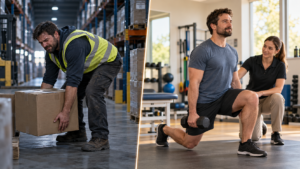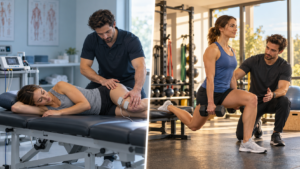
The demographic shift underway in developed markets is not a future trend for fitness facility operators — it is a present-day procurement reality. By 2030, 20% of Americans will be 65 or older. Globally, the number of people over 60 surpassed one billion in 2020 and is projected to reach one in five people by 2045. This cohort is more wellness-conscious than any previous senior generation, more likely to be enrolled in structured fitness programmes, and more likely to have clinical conditions — musculoskeletal deterioration, post-surgical recovery needs, balance deficits — that require thoughtful equipment specification rather than simply smaller weights and lower seats.
For facility operators in rehabilitation centres, senior care communities, and commercial gyms building out senior fitness programmes, the equipment needs of this population are specific, clinically grounded, and commercially significant. This article maps those needs to equipment categories and specification principles.
The Market in Numbers
The financial case for senior fitness investment is established across multiple market segments. According to Growth Market Reports, the Active Aging Fitness market reached USD 14.3 billion in 2024 and is projected to grow at a CAGR of 7.8% to USD 28.1 billion by 2033 — one of the strongest growth rates of any fitness market segment. The senior segment (55+) in US health and fitness clubs is similarly the fastest-growing demographic, projected at 7.8% CAGR growth through 2026–2035, driven by 73 million Baby Boomers entering their 60s and 70s, Medicare Advantage programme fitness benefits serving 18+ million members, and increasing clinical recognition of structured exercise as a first-line intervention for age-related health conditions.
The global rehabilitation equipment market, which includes exercise equipment used in clinical settings, reached USD 18.86 billion in 2025 and is projected to grow at CAGR 6.88% through 2031. The convergence of these two markets — wellness-oriented senior fitness and clinically driven rehabilitation — creates a broad equipment opportunity that extends from hospital outpatient physiotherapy departments through senior living community wellness centres to commercial gyms that operate Silver Sneakers or equivalent senior programming.
The Evidence Base: Why Exercise Is the Primary Intervention
The equipment specification for senior fitness should begin with the clinical evidence base for exercise in older populations — because the evidence determines which exercise categories matter most, and which equipment categories must be prioritised accordingly.
The most pressing clinical problem in the senior population is falls. In the United States, an older adult is treated for a fall in an emergency room every 11 seconds, and an older adult dies from a fall every 19 minutes. A 2026 umbrella review published in a peer-reviewed journal indexed on ScienceDirect synthesised evidence from approximately 4,475 primary studies and found high-certainty evidence that balance and multicomponent exercise programmes reduced fall rates by 23–34% in older adult populations. This is the most robustly supported behavioural intervention for fall prevention available — and it is an equipment-dependent intervention.
The second major clinical problem is sarcopenia — progressive age-related loss of muscle mass and function. Most older adults experience a 30% loss in muscle mass between ages 50 and 70, resulting in reduced mobility, increased fall risk, metabolic complications, and loss of independent function. A systematic review published in PMC (Nutrients) found that exercise programmes — particularly resistance training — significantly improved muscle strength and physical performance in sarcopenic older adults, with consistent positive effects on gait speed, stair-climbing ability, grip strength, and functional independence. Resistance training is the most effective non-pharmacological intervention for sarcopenia management, and resistance equipment is the direct procurement implication.
Setting Type 1: Rehabilitation Centres — Clinical Equipment Requirements
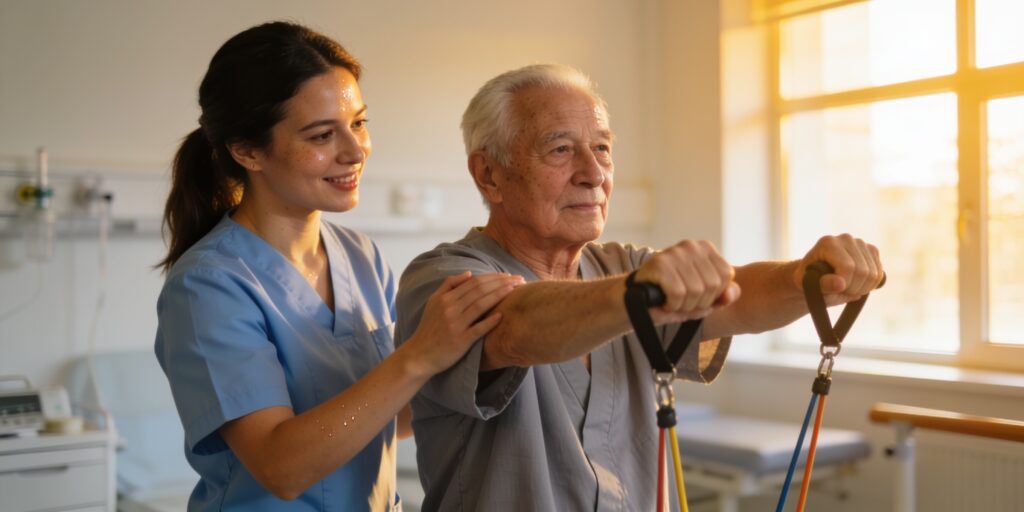
Rehabilitation centres — hospital outpatient physiotherapy departments, dedicated post-surgical rehab facilities, and community physiotherapy practices — require equipment specified for clinical use. The user population includes post-surgical patients (hip, knee, shoulder replacement; spine surgery), stroke and neurological rehabilitation patients, orthopaedic injury recovery, and chronic condition management (osteoarthritis, osteoporosis, cardiovascular rehabilitation).
The primary equipment categories for rehabilitation settings are resistance equipment in therapeutic weight ranges, body-weight supported treadmills for gait retraining (where relevant), balance and proprioception training tools, and functional movement aids. Resistance equipment for clinical rehabilitation should cover 0.5–10 kg in very fine increments — smaller than any commercial gym free weight set — because therapeutic starting loads for deconditioned older adults may be 1–2 kg before progression. Elastic resistance bands, light dumbbells, and adjustable cable systems with low resistance floors are the appropriate equipment categories.
Safety infrastructure is as important as the exercise equipment itself in clinical settings. Equipment must have stable bases, handle or grab-rail accessibility, and surfaces that can withstand clinical cleaning agents without material degradation. Floor surfaces must be non-slip, seamless, and free of trip hazards. Equipment height and access points must accommodate users with mobility aids — walkers, canes, wheelchairs — who must be able to engage with the exercise equipment without transferring to a standard gym user position.
Setting Type 2: Senior Living and Assisted Care Facilities — Wellness Equipment
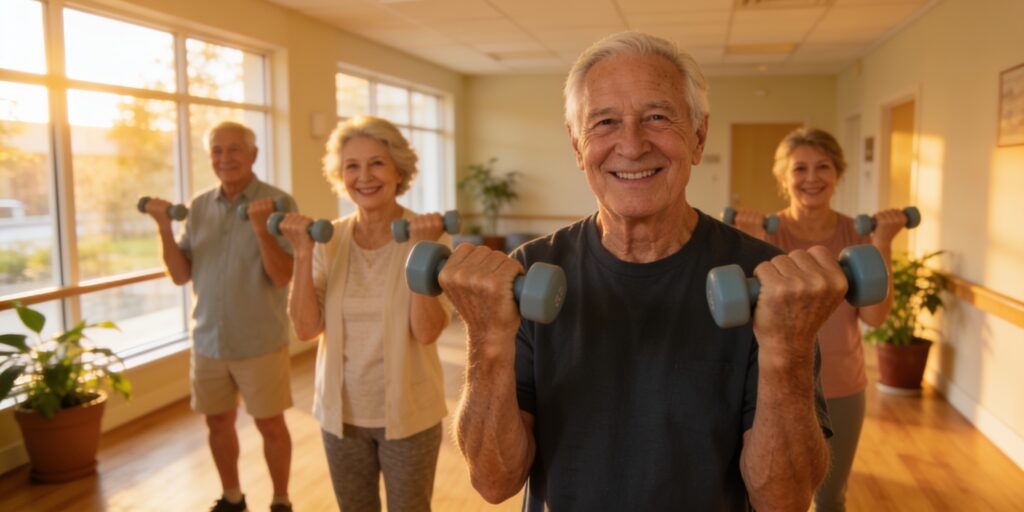
Senior living communities — independent living, assisted living, and memory care facilities — serve a different population than clinical rehabilitation centres, with different equipment priorities. The users are typically community-dwelling older adults who are managing the normal ageing process, preventing the conditions that rehabilitation centres treat. The equipment environment should feel welcoming and social rather than clinical, and programming should be accessible to a wide range of fitness levels without requiring clinical supervision for each session.
The most important equipment categories for senior living wellness spaces are light-range resistance equipment (1–20 kg dumbbells, elastic resistance bands, light kettlebells), balance training apparatus (stable platforms, balance boards with safety support), seated cardio equipment (recumbent bikes, seated ellipticals, rowing ergometers with back support), and group fitness props (rhythm bars, soft weights, light resistance accessories). The LOOPA system — particularly the Donut Weight and Thera Bell — is specifically appropriate for this setting: soft materials eliminate injury risk from drops, 360-degree grips accommodate users with limited hand strength, and the weight range (0.25–5 kg) covers the functional resistance needs of the senior wellness population without intimidating first-time exercisers.
Equally important in senior living equipment selection is what to avoid: high benches that require significant climbing, equipment with small or complex adjustment mechanisms, cable resistance stations with heavy minimum loads, and any equipment whose posture of use places the user at fall risk without obvious support. These equipment categories are appropriate for general commercial gym contexts but create barriers and hazards in senior wellness settings.
Setting Type 3: Commercial Gyms Expanding the Senior Segment
Commercial gyms that are building out a senior fitness programme — whether through Medicare Advantage-funded programmes like Silver Sneakers, dedicated senior classes, or accessible equipment zones — face a specific procurement challenge: integrating senior-appropriate equipment into a commercial gym environment without creating a facility that signals either “this is a medical space” or “regular members don’t use this area.”
The most effective approach is dedicated programming rather than segregated equipment. Selectorised machines adjusted to their lowest resistance settings are appropriate for senior members and do not require specialist equipment procurement. Light dumbbell sets (1–10 kg) alongside the standard commercial dumbbell range expand accessibility without fragmenting the equipment floor. Recumbent bikes and low-step treadmills positioned accessibly within the cardio zone serve senior members alongside the general population without creating a separate “senior section” that many older adults find socially unwelcoming.
The equipment additions that most consistently improve senior member engagement are those that explicitly address balance and functional movement: balance pads, stability platforms with rail support, and light resistance bands available in the stretching and recovery zone. These additions signal that the facility takes senior fitness seriously without turning the commercial gym into a rehabilitation centre.
Equipment Requirements by Setting Type
| Equipment Category | Rehabilitation Centre | Senior Living / Care Facility | Commercial Gym Senior Programme |
|---|---|---|---|
| Light resistance (0.5–10 kg) | Essential — therapeutic starting loads | Essential — primary resistance training tool | High priority — expand lower end of dumbbell range |
| Balance training apparatus | Essential — fall prevention protocol | High priority — independent fall prevention programming | Moderate — add to stretching/recovery zone |
| Body-weight support treadmill | High priority — gait retraining post-surgery | Not typically needed | Optional for facilities with PT partnership |
| Seated / recumbent cardio | High priority — low-impact cardiovascular rehab | Essential — primary cardio option for limited mobility | Moderate — add recumbent bike to cardio zone |
| Soft resistance accessories (LOOPA) | High priority — therapeutic safe resistance | Essential — group programming foundation | Moderate — add to group fitness or recovery zone |
| Standard resistance machines | Moderate — supervised accessory use | Moderate — at lowest resistance settings | High priority — already present; lower settings for seniors |
| Standard free weights (10–40 kg) | Not typically appropriate | Minimal — limited to highest-functioning residents | Already present — accessible to senior members where appropriate |
Five Design Principles for Senior-Appropriate Fitness Equipment
1. Safety as primary specification. Every equipment choice in a senior fitness environment should begin with the question: what is the fall, entrapment, or injury risk for a user with impaired balance, limited grip strength, or cognitive variability? Equipment that is safe under the assumption of perfect user technique is not designed for senior fitness contexts. Equipment that remains safe under imperfect technique is.
2. Progressive resistance starting from zero. Standard commercial gym free weights begin at 2.5 kg, which is too heavy for some deconditioned senior users beginning a resistance programme. Equipment that can provide progressive resistance from very low loads — elastic bands at the lightest rating, dumbbells from 0.5 kg, cable systems with fractional loading — allows programming to begin where the user actually is, not where the equipment starts.
3. Accessible entry and exit points. Equipment height, the distance from standing to the seated position, and the support available during the transition are critical for users with limited lower-body strength, hip or knee replacement history, or balance impairment. Benches that are too low, machines that require climbing, and equipment without stable handle support at entry and exit points create barriers and risks for senior users that younger, higher-functioning gym members never encounter.
4. Highly visible adjustment mechanisms. Small adjustment pins, fine-print settings, and colour codes that are illegible to users with compromised vision create operational barriers that reduce senior member independence and increase staff demand. Larger, higher-contrast adjustment mechanisms with tactile confirmation that the setting is locked are appropriate specifications for senior fitness environments.
5. Non-intimidating aesthetic and social design. Research on senior fitness programme participation consistently identifies psychological accessibility — the sense that the environment is designed for and welcoming of the older adult — as a primary determinant of participation. Equipment that looks aggressive, maximally loaded, or exclusively performance-oriented creates psychological barriers that prevent senior members from engaging even when the equipment would technically serve their needs.
The Alexia Heritage: Alexandave’s Senior Fitness Commitment
In 2008, Alexandave established the Alexia product line specifically to address the senior fitness and rehabilitation market — fourteen years before this market segment reached its current scale. The Alexia brand applies Alexandave’s commercial manufacturing expertise to equipment designed for senior wellness and low-impact training, with ergonomic design, adaptive fitness solutions, and safety standards appropriate for senior care centres and medical facilities.
The early European market relationships that informed Alexia’s development — including Alexandave’s long-standing partnerships with German healthcare distributors — brought direct feedback from physiotherapy professionals and senior care operators about the specific performance gaps in the equipment available at the time. Smooth resistance curves, highly visible adjustment knobs, reinforced safety handrails, and EU medical device safety standard compliance were not design preferences but documented requirements from the clinical market that Alexia was built to serve.
Equipment Procurement Guide for Senior Fitness Settings
| Setting | Essential Equipment (Tier 1) | High Priority (Tier 2) | Supplementary (Tier 3) |
|---|---|---|---|
| Hospital outpatient rehab | Elastic resistance bands (all grades), light dumbbells 0.5–5 kg, balance platforms with rail | Body-weight support treadmill, recumbent bike, cable system with low-resistance floor | Upper body ergometer, grip strengtheners, soft resistance accessories |
| Outpatient physiotherapy clinic | Light dumbbells 1–10 kg, elastic bands, balance boards with support | Recumbent bike, cable machine (low resistance start), stability balls | LOOPA Thera Bell (grip and forearm rehab), soft weights, wobble boards |
| Independent senior living community | Dumbbells 1–10 kg, recumbent bikes, group fitness accessories | Light kettlebells (4–16 kg), resistance bands, seated rowing machine | LOOPA Donut Weight and Rhythm Bar (group classes), balance pads |
| Assisted living / memory care | Soft resistance accessories (LOOPA), elastic bands, balance support rails | Recumbent pedal exerciser, hand grip tools, mat and chair exercise space | Light dumbbells 0.5–3 kg, music-assisted movement props |
| Commercial gym senior programme | Expanded light dumbbell range (1–10 kg), recumbent bike addition, resistance bands in recovery zone | Balance pad station, stability apparatus with support, LOOPA accessories for group classes | Dedicated senior programming zone with appropriate equipment signage |
Frequently Asked Questions
What is the most important equipment category for senior fitness programming?
The evidence base most strongly supports two categories: resistance training equipment for sarcopenia management and muscle preservation, and balance training apparatus for fall prevention. A 2026 umbrella review found that balance and multicomponent exercise reduced fall rates by 23–34% in older adults. Meta-analyses of resistance exercise consistently show significant improvements in muscle strength, gait speed, grip strength, and functional independence in sarcopenic older adults. These two categories — not cardio equipment — should be the primary procurement priority for any facility building a senior fitness programme.
How is equipment for a senior fitness setting different from standard commercial gym equipment?
Senior fitness equipment differs in resistance range (starting from 0.5–1 kg rather than 2.5 kg), adjustment mechanism accessibility (larger, higher-contrast, tactile-confirm settings), entry/exit support (grab rails, appropriate bench height), floor contact safety (non-slip surfaces, no sharp corners), material safety (soft surfaces where body contact is likely), and aesthetic accessibility (non-intimidating, social, non-clinical appearance in wellness contexts). These are not reduced-specification versions of commercial equipment — they are distinct design requirements for a different use case.
What is the difference between equipment for a rehabilitation centre and a senior living wellness facility?
Rehabilitation centres serve patients with specific clinical conditions under professional supervision — requiring equipment with clinical resistance floor capability, safety systems appropriate for users with severe mobility limitations, and integration with prescribed exercise protocols. Senior living wellness facilities serve community-dwelling older adults pursuing general wellness — requiring equipment that is accessible and non-intimidating, appropriate for independent use or group programming, and sized for the moderate resistance needs of a wellness-oriented population rather than clinical starting loads. The rehabilitation setting is clinical; the senior living setting is social and wellness-oriented.
Which Alex Athletics products are most appropriate for senior fitness settings?
The LOOPA product line — particularly the Donut Weight (1–5 kg soft ring), Thera Bell (1–2 kg torsional resistance tool for grip and forearm rehab), and Rhythm Bar (0.25–0.5 kg auditory feedback bar) — is directly designed for the movement types and safety requirements of senior fitness and rehabilitation. For facilities requiring a broader resistance range, the light end of Alex Athletics’ commercial dumbbell ranges (1–10 kg) and kettlebell selections serve senior populations within the same product lines that serve the general commercial gym floor. For specialist senior fitness or rehabilitation equipment, the Alexia product line — Alexandave’s dedicated senior fitness brand established in 2008 — applies clinical specification principles to the full range of senior exercise equipment categories.
How large is the market opportunity for facilities investing in senior fitness equipment?
The Active Aging Fitness market reached USD 14.3 billion in 2024 and is growing at 7.8% CAGR — one of the strongest growth rates in any fitness market segment. The global rehabilitation equipment market reached USD 18.86 billion in 2025. The senior (55+) segment in US health and fitness clubs is the fastest-growing membership demographic at 7.8% CAGR through 2035, driven by 73 million Baby Boomers and expanding Medicare Advantage fitness benefits. For facility operators, the senior fitness investment case is among the strongest in the commercial fitness industry over the next decade.
Conclusion
The senior fitness market opportunity is not emerging — it is established and growing at rates that make it one of the most commercially significant segments in the fitness equipment industry. The equipment needs of rehabilitation centres, senior care facilities, and commercial gyms serving older adult populations are distinct, clinically grounded, and specific: resistance training equipment for sarcopenia management, balance and fall prevention apparatus, accessible cardio equipment, and soft resistance accessories for group and therapeutic programming. These requirements are not met by standard commercial gym equipment with reduced weight — they require deliberate specification against the clinical evidence and operational realities of senior fitness environments.
For facility operators designing or upgrading a senior fitness programme, contact our team to discuss appropriate equipment specification across Alex Athletics’ commercial ranges and Alexandave’s Alexia senior fitness line.