Thị trường Pilates thương mại đang trong giai đoạn bùng nổ mạnh mẽ và kéo dài, không có dấu hiệu chững lại. Số lượng phòng tập đang gia tăng, các nhà điều hành nhượng quyền đang đẩy mạnh việc mở rộng mạng lưới, và nhu cầu của người tiêu dùng đối với các bài tập trên máy Reformer đang mở rộng vượt xa nhóm đối tượng vốn là động lực chính thúc đẩy sự tham gia vào Pilates từ trước đến nay. Đối với bất kỳ ai đang mở một phòng tập Pilates mới, mở rộng phòng tập hiện có, hoặc bổ sung Pilates vào một phòng tập thương mại đa hình thức, quyết định về thiết bị là khoản đầu tư vốn quan trọng nhất mà họ sẽ thực hiện — và đây là quyết định mà nếu lựa chọn sai lầm, việc khắc phục sẽ rất khó khăn và tốn kém.
Bài viết này phân tích những yếu tố thúc đẩy sự bùng nổ của Pilates thương mại, giải thích sự khác biệt giữa thị trường thương mại với thiết bị tập tại nhà và thiết bị phục hồi chức năng, đồng thời cung cấp một khuôn khổ có hệ thống để đánh giá các thương hiệu thiết bị Pilates trước khi quyết định đầu tư quy mô lớn vào phòng tập.
Thị trường Pilates thương mại qua các con số
Thị trường thiết bị và dụng cụ Pilates toàn cầu đang tăng trưởng nhanh chóng trên tất cả các phân khúc. Theo Tương lai của Nghiên cứu Thị trường, thị trường thiết bị và dụng cụ Pilates được ước tính đạt 5,35 tỷ USD vào năm 2024 và dự kiến sẽ tăng trưởng lên 11,07 tỷ USD vào năm 2035 với tốc độ tăng trưởng kép hàng năm (CAGR) là 6,83%. Trong phân khúc rộng hơn đó, phân khúc máy tập Pilates (reformer) đang mở rộng với tốc độ còn nhanh hơn. Theo báo cáo, thị trường máy tập Pilates toàn cầu, có giá trị 7,65 tỷ USD vào năm 2025, dự kiến sẽ đạt 16,8 tỷ USD vào năm 2035 với tốc độ tăng trưởng kép hàng năm (CAGR) là 8,2%, theo Những dự báo về thị trường trong tương lai.
Những con số này phản ánh sự hội tụ của nhiều dòng nhu cầu khác nhau. Hiện nay, có hơn 27 triệu người trên toàn thế giới tham gia tập Pilates, với hơn 130.000 phòng tập và trung tâm thể dục trên toàn cầu cung cấp các dịch vụ chuyên biệt về Pilates. Việc mở rộng nhượng quyền thương mại diễn ra đặc biệt mạnh mẽ: Chỉ riêng vào cuối năm 2025, Xponential Fitness đã mở thêm 300 phòng tập Club Pilates mới trên toàn thế giới, qua đó củng cố vị trí dẫn đầu của mình với tư cách là chuỗi phòng tập Pilates có tổ chức lớn nhất toàn cầu. Đồng thời, Pilates đang mở rộng sang các lĩnh vực phục hồi chức năng, vật lý trị liệu và chăm sóc sức khỏe người cao tuổi — từ đó mở rộng cơ sở nhu cầu thương mại vượt xa phạm vi của các nhà điều hành phòng tập boutique truyền thống.
Thị trường cũng đang chứng kiến những khoản đầu tư đáng kể vào lĩnh vực đổi mới. Các thiết bị tập luyện thông minh có kết nối ứng dụng và chương trình tập luyện có hướng dẫn, bộ dụng cụ lắp đặt phòng tập theo mô-đun được thiết kế dành cho không gian hẹp, cùng với việc sử dụng vật liệu phân hủy sinh học trong các phụ kiện – tất cả đều phản ánh sự đáp ứng của ngành công nghiệp này trước nhu cầu ngày càng đa dạng của nhóm khách hàng thương mại. Phân tích thị trường của Technavio dự báo ngành thiết bị Pilates sẽ tăng trưởng với tốc độ tăng trưởng kép hàng năm (CAGR) là 14,2% trong giai đoạn từ năm 2025 đến năm 2030 khi các sản phẩm tích hợp công nghệ được đưa vào phạm vi nghiên cứu — một mức tăng trưởng vượt trội so với hầu hết các phân khúc thiết bị thể dục liên quan.
Điều gì đang thúc đẩy sự bùng nổ của Pilates thương mại?
Sự phát triển của Pilates thương mại không phải là hiện tượng chỉ do một nguyên nhân duy nhất. Nhiều yếu tố độc lập đang hội tụ lại, tạo ra sự mở rộng nhu cầu bền vững, có đặc điểm cấu trúc khác biệt so với các chu kỳ thị trường Pilates trước đây.
Cơ cấu dân số già hóa và nhu cầu tập luyện thể dục có cường độ thấp
Khi cơ cấu dân số ngày càng già hóa tại Bắc Mỹ, châu Âu và ngày càng lan rộng sang các thị trường châu Á-Thái Bình Dương, nhu cầu về các phương pháp tập luyện có tác động thấp — mang lại kết quả rèn luyện thể chất thực sự mà không gây áp lực lên khớp — đang tăng mạnh. Pilates đặc biệt phù hợp để đáp ứng nhu cầu của nhóm dân số này: nó giúp tăng cường sức mạnh vùng lõi, cải thiện tư thế, nâng cao khả năng giữ thăng bằng và giảm nguy cơ chấn thương — tất cả đều là những lợi ích rất được người lớn trên 50 tuổi ưa chuộng, những người đang mong muốn duy trì khả năng vận động và chất lượng cuộc sống. Các cơ sở phục hồi chức năng, trung tâm chăm sóc sức khỏe người cao tuổi và các nhà cung cấp dịch vụ thể dục y tế hiện là những khách hàng thương mại quan trọng của thiết bị Pilates — một kênh phân phối gần như không tồn tại trong giai đoạn đầu khi Pilates mới bắt đầu mở rộng với mô hình phòng tập boutique.
Phục hồi chức năng sau chấn thương và hội nhập lâm sàng
Cơ sở bằng chứng lâm sàng cho phương pháp phục hồi chức năng dựa trên Pilates đã được củng cố đáng kể trong những năm gần đây. Các nhà vật lý trị liệu, chuyên gia y học thể thao và chuyên gia phục hồi chức năng chỉnh hình ngày càng chỉ định các bài tập trên máy Pilates Reformer như một phần của phác đồ phục hồi dành cho chấn thương cột sống, phục hồi chức năng đầu gối, phục hồi sau phẫu thuật và các bệnh lý thần kinh. Việc áp dụng lâm sàng này tạo ra một dòng nhu cầu thiết bị thương mại riêng biệt từ các phòng khám phục hồi chức năng và các trung tâm chăm sóc sức khỏe trực thuộc bệnh viện, những nơi ưu tiên các tiêu chí kỹ thuật khác biệt — đặc biệt là độ bền, tính dễ điều chỉnh và độ ổn định của khung máy — so với các khách hàng tại các phòng tập boutique, những người chủ yếu tập trung vào trải nghiệm tập luyện.
Sự bình thường hóa hình ảnh của người nổi tiếng và người có ảnh hưởng
Trong vòng năm năm qua, Pilates đã trải qua một sự chuyển đổi về mặt văn hóa. Môn tập vốn từng được coi là lĩnh vực chuyên biệt dành cho vũ công, bệnh nhân sau phục hồi chức năng và những người đam mê chuyên sâu, nay đã được mạng xã hội biến đổi thành một xu hướng thể dục phổ biến. Việc các vận động viên nổi tiếng, nghệ sĩ giải trí và những người có ảnh hưởng trong lĩnh vực thể dục thường xuyên chia sẻ quá trình tập luyện Pilates đã thúc đẩy một thế hệ người tiêu dùng mới — bao gồm một số lượng đáng kể nam giới, những người trước đây ít tham gia vào Pilates — hướng tới việc tập luyện trên máy reformer. Sự thay đổi văn hóa này đang trực tiếp dẫn đến sự gia tăng số lượng thành viên tại các phòng tập, việc mở thêm các phòng tập mới và các chu kỳ mua sắm thiết bị mới.
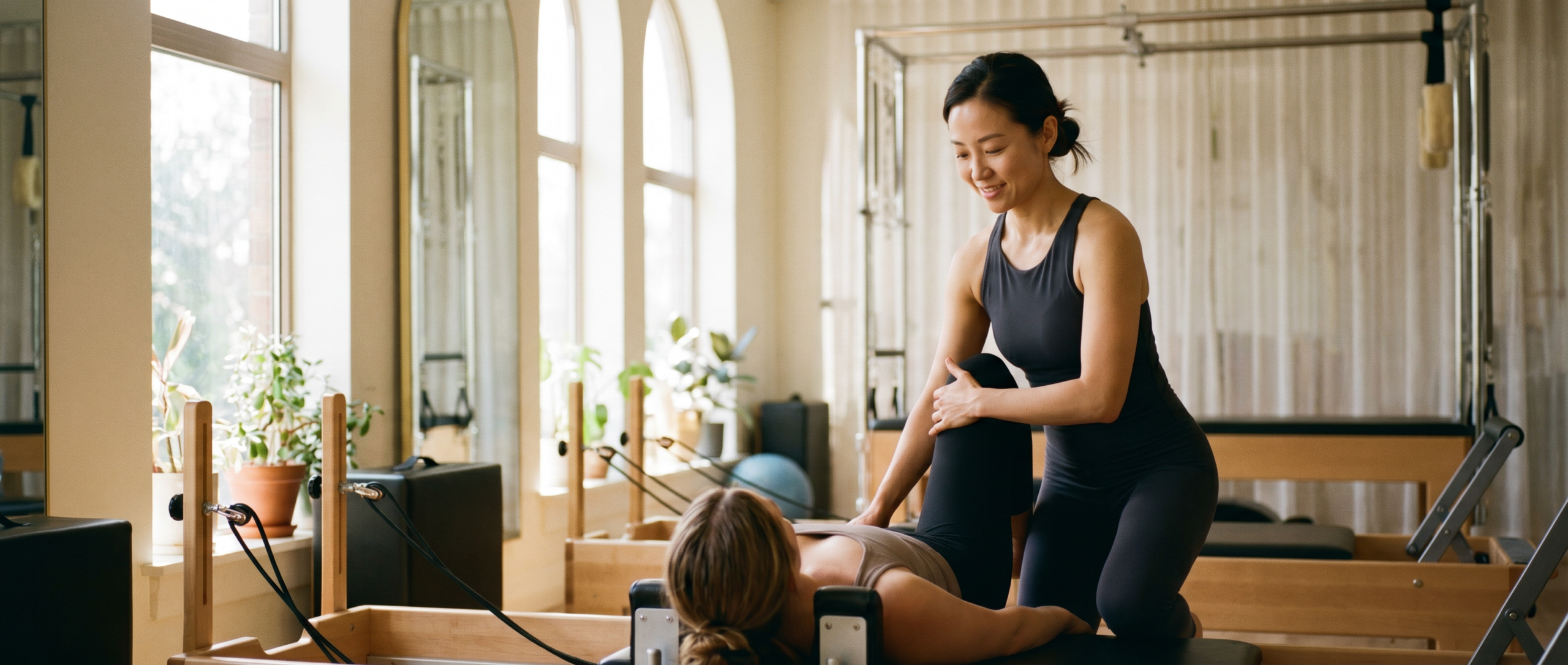
Thiết bị Pilates dành cho thương mại so với thiết bị Pilates dành cho gia đình: Một sự khác biệt quan trọng
Một trong những sai lầm phổ biến và tốn kém nhất mà các chủ phòng tập Pilates mới thường mắc phải là mua sắm thiết bị chỉ phù hợp cho sử dụng tại nhà hoặc các hoạt động nhẹ, thay vì thiết bị chuyên dụng dành cho mục đích thương mại. Sự khác biệt này có ý nghĩa vô cùng quan trọng trong thực tế, và việc hiểu rõ điều này là điều kiện tiên quyết cho bất kỳ quá trình đánh giá thiết bị nghiêm túc nào.
| Thông số kỹ thuật | Trang chủ / Thiết bị hạng nhẹ | Thiết bị chuyên dụng |
|---|---|---|
| Các chu kỳ sử dụng hàng ngày | 1–3 buổi mỗi ngày | 8–14 tiết học mỗi ngày (lịch học liên tục) |
| Chất liệu khung | Nhôm nhẹ hoặc gỗ công nghiệp | Nhôm hoặc thép dày với các mối nối được gia cố |
| Hệ thống đường ray xe ngựa | Bánh xe bằng nhựa hoặc nylon trên đường ray cơ bản | Các thanh ray bằng nhôm được gia công chính xác, đi kèm với bộ bánh xe có ổ bi kín |
| Hệ thống lò xo | Lò xo cuộn tiêu chuẩn, hiệu chuẩn nhẹ | Lò xo được hiệu chuẩn chính xác với các mức độ đàn hồi đã được công bố, có thể thay thế |
| Vải bọc nội thất | Mật độ xốp tiêu chuẩn, bọc vải hoặc bọc vinyl | Bọt xốp tế bào kín mật độ cao, lớp bọc chống vi khuẩn đạt tiêu chuẩn thương mại |
| Khả năng chịu tải | 100–150 kg | 150–200 kg |
| Điều chỉnh thanh đỡ chân | Vị trí cố định, điều chỉnh vị trí bằng tay | Chức năng tháo lắp nhanh hoặc điều chỉnh đa vị trí không cần dụng cụ để chuyển đổi giữa các tiết học |
| Kỳ vọng về chế độ bảo hành | 1–2 năm | 5–10 năm đối với khung xe, 2–3 năm đối với các bộ phận và lớp bọc ghế |
| Tuổi thọ dự kiến | 3–5 năm | 10–15+ năm nếu được bảo dưỡng đúng cách |
Một máy tập reformer hoạt động tốt trong môi trường gia đình — nơi có thể được một người sử dụng một hoặc hai lần mỗi ngày — sẽ bắt đầu xuất hiện hiện tượng xuống cấp nghiêm trọng chỉ sau vài tháng khi được sử dụng tại phòng tập với tần suất từ sáu đến tám lớp mỗi ngày và nhiều người sử dụng. Sự mài mòn thanh trượt, mỏi lò xo, thanh chân bị lỏng và hư hỏng do nén của lớp bọc đều xảy ra sớm hơn nhiều so với dự kiến khi thiết bị dành cho gia đình được đưa vào sử dụng trong môi trường thương mại. Ngoài tác động về chi phí thay thế, thiết bị xuống cấp còn gây ra rủi ro an toàn và vấn đề về trải nghiệm của thành viên, điều này trực tiếp làm suy giảm khả năng giữ chân thành viên của phòng tập.
Các loại thiết bị chính cho một phòng tập Pilates thương mại
Một phòng tập Pilates thương mại được trang bị đầy đủ cần có một hệ sinh thái thiết bị hoàn chỉnh, không chỉ riêng máy reformer. Việc hiểu rõ vai trò của từng thiết bị và các yêu cầu kỹ thuật dành cho mục đích thương mại sẽ giúp người mua đưa ra các quyết định đầu tư hợp lý cho toàn bộ hệ thống.
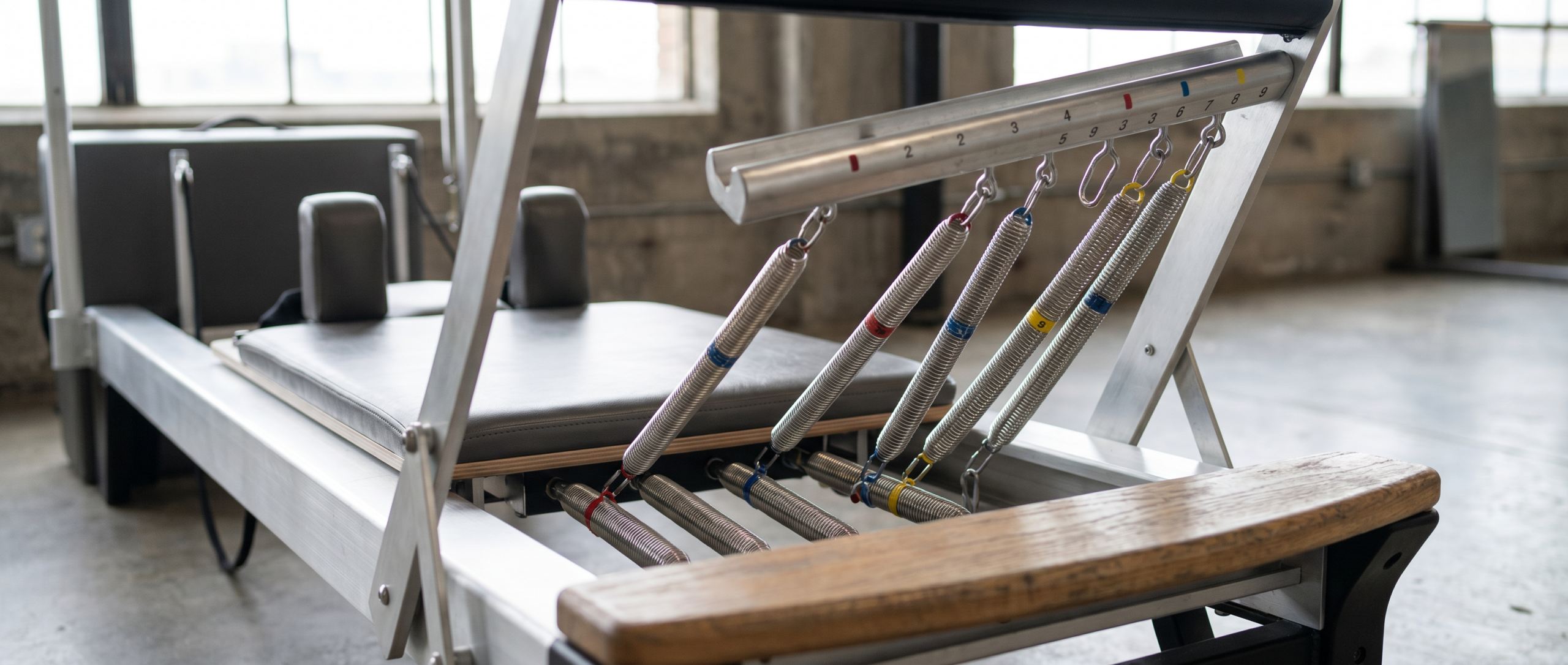
Những người cải cách là điểm nhấn chính của bất kỳ phòng tập Pilates nào sử dụng máy Reformer. Các máy Reformer dành cho phòng tập chuyên nghiệp cần được trang bị thanh trượt bằng nhôm gia công chính xác, bộ bánh xe có ổ trục kín, hệ thống lò xo đã được hiệu chuẩn với các lò xo có thể thay thế riêng lẻ, cơ chế điều chỉnh thanh đỡ chân tháo lắp nhanh, và lớp bọc chống vi khuẩn đạt tiêu chuẩn thương mại. Một phòng tập quy mô nhỏ tổ chức các lớp học nhóm trên máy Reformer thường vận hành từ 6 đến 12 máy Reformer vào giờ cao điểm, với các máy bổ sung để tạo công suất dự phòng cho việc luân chuyển thiết bị trong thời gian bảo trì.
Bàn Cadillac / Trapeze giúp mở rộng kho từ vựng về các bài tập dành cho huấn luyện viên và được đánh giá cao đặc biệt trong các bối cảnh phục hồi chức năng và tập luyện nâng cao. Các thông số kỹ thuật của thiết bị Cadillac thương mại cần nhấn mạnh vào tính toàn vẹn cấu trúc của khung treo trên cao cũng như khả năng chịu tải của các thanh lò xo và các điểm gắn xà đơn — những bộ phận này phải chịu tải trọng động đáng kể trong một số kiểu chuyển động nhất định và phải được thiết kế để đảm bảo khả năng sử dụng thương mại lâu dài.
Ghế Pilates / Ghế Wunda sản phẩm này mang lại tỷ lệ tính linh hoạt trên diện tích chiếm dụng cao và ngày càng phổ biến trong các phòng tập thiết kế các buổi tập kết hợp giữa các bài tập trên máy Reformer với các bài tập trên ghế. Các thông số kỹ thuật của ghế tập thương mại cần chú trọng đến độ ổn định của hệ thống bàn đạp tách rời và độ chính xác trong việc hiệu chỉnh lực cản lò xo ở từng vị trí.
Thiết bị chỉnh hình cột sống và thùng thang đảm nhận các chức năng chuyên biệt trong các chương trình tập luyện nâng cao và các phác đồ phục hồi chức năng. Mặc dù không phải là thiết bị chủ lực, sự hiện diện của chúng trong một phòng tập được trang bị đầy đủ thể hiện độ sâu của chương trình tập luyện và giúp các huấn luyện viên có thể triển khai đầy đủ các phương pháp Pilates cổ điển.
Khám phá toàn bộ dòng sản phẩm thiết bị Pilates thương mại bao gồm các thiết bị cải tiến, bàn Cadillac, ghế và thùng, đồng thời xem xét lại Thông số kỹ thuật của thiết bị Pilates chi tiết cho từng danh mục.
Cách đánh giá một thương hiệu thiết bị Pilates thương mại
Việc lựa chọn thương hiệu thiết bị trong các phòng tập Pilates thương mại là một quyết định mang tính sống còn với những hệ quả lâu dài. Một phòng tập được xây dựng dựa trên một hệ thống máy reformer cụ thể sẽ rất khó thay đổi và tốn kém: các bộ phận thay thế, thông số kỹ thuật của lò xo, mức độ quen thuộc của huấn luyện viên và các mối quan hệ dịch vụ đều trở thành một phần không thể tách rời trong hoạt động của phòng tập. Khung đánh giá sau đây giúp các nhà điều hành đưa ra quyết định một cách có hệ thống thay vì chỉ dựa trên vẻ ngoài trong catalogue hoặc mức giá ban đầu.
| Tiêu chí đánh giá | Những nội dung cần đánh giá | Tại sao điều này lại quan trọng |
|---|---|---|
| Thông số kỹ thuật khung và thanh dẫn | Loại vật liệu, phương pháp gia cố mối nối, dung sai gia công ray | Xác định độ bền kết cấu trong các chu kỳ tải trọng thương mại hàng ngày |
| Tính nhất quán trong quá trình hiệu chuẩn mùa xuân | Các thông số định mức điện trở đã công bố, dải dung sai, khả năng thay thế từng linh kiện | Tính nhất quán trong việc hiệu chuẩn ảnh hưởng trực tiếp đến độ chính xác của chương trình tập luyện |
| Độ êm ái khi di chuyển | Loại ổ trục bánh xe (có niêm phong so với không có niêm phong), độ khít giữa ray và bánh xe | Chuyến đi êm ái, yên tĩnh là một dấu hiệu chất lượng hàng đầu đối với các huấn luyện viên và thành viên |
| Thông số kỹ thuật về vật liệu bọc ghế | Mật độ bọt (chỉ số ILD), xử lý kháng khuẩn, cấu trúc đường may | Vải bọc ghế trong các phòng tập có tần suất sử dụng cao phải có khả năng chống biến dạng vĩnh viễn do nén và chống xuống cấp do mồ hôi |
| Hệ thống điều chỉnh thanh đỡ chân | Số lượng nấc, cơ chế nhả, độ ổn định khi khóa | Tốc độ chuyển đổi chế độ phụ thuộc vào việc điều chỉnh vị trí thanh chân một cách nhanh chóng và đáng tin cậy |
| Tình trạng sẵn có của linh kiện và thời gian giao hàng | Kho hàng khu vực, số lượng đặt hàng tối thiểu đối với lò xo và bánh xe dự phòng | Thời gian thiết bị ngừng hoạt động trong giờ học là nguyên nhân trực tiếp dẫn đến tổn thất doanh thu |
| Bảo hành và dịch vụ của nhà sản xuất | Thời hạn bảo hành khung máy, bảo hành linh kiện, khả năng cung cấp dịch vụ tại chỗ | Các điều khoản bảo hành cho thấy mức độ tin tưởng của nhà sản xuất đối với sản phẩm của chính họ |
| Các studio tham khảo và quyền truy cập dùng thử | Liệu nhà sản xuất có thể cung cấp các phòng thu mẫu sử dụng cùng loại thiết bị hay không | Việc quan sát thiết bị được sử dụng trong hoạt động thương mại hàng ngày là phương pháp đánh giá đáng tin cậy nhất |
Một bước đánh giá thực tế mà nhiều người mua thường bỏ qua là yêu cầu được dùng thử thiết bị trong môi trường thương mại thực tế trước khi quyết định đặt hàng trọn bộ cho phòng tập. Các nhà sản xuất uy tín, tự tin vào các thông số kỹ thuật đạt tiêu chuẩn thương mại của mình, sẽ đáp ứng yêu cầu này. Việc thử nghiệm trên một chiếc máy reformer đã được sử dụng hàng ngày tại phòng tập trong khoảng 12 đến 18 tháng sẽ cho thấy nhiều thông tin về hiệu suất lâu dài hơn bất kỳ thông số kỹ thuật nào trong catalogue hay buổi trình diễn tại phòng trưng bày.

Những sai lầm thường gặp trong việc mua sắm trang thiết bị khi thiết lập phòng tập Pilates thương mại
Chọn mua dựa trên giá cả thay vì thông số kỹ thuật. Chênh lệch giá giữa các thiết bị cải tiến dành cho gia đình và loại thương mại là có thật và đáng kể — thông thường, sản phẩm thương mại chính hãng đắt hơn từ 40% đến 80%. Các nhà khai thác nếu chỉ chú trọng đến giá ban đầu và phát hiện ra sự chênh lệch về hiệu suất trong năm đầu tiên vận hành sẽ phải đối mặt với lựa chọn: hoặc chấp nhận chất lượng trải nghiệm của thành viên ngày càng suy giảm, hoặc phải chịu chi phí vốn để thay thế thiết bị sớm hơn nhiều so với kế hoạch.
Thiết kế thiếu chi tiết các hệ thống đường ray dẫn hướng. Đường ray dẫn hướng là bộ phận phải chịu ứng suất lặp lại cao nhất trong hệ thống máy tái chế, đồng thời cũng là bộ phận thường bị thiết kế không đủ tiêu chuẩn nhất trong các thiết bị tầm trung. Người mua nên yêu cầu thông tin cụ thể về vật liệu làm đường ray, dung sai gia công và hệ thống ổ trục bánh xe trước khi ký bất kỳ đơn đặt hàng nào.
Bỏ qua các bộ phận và cơ sở hạ tầng dịch vụ. Một nhà sản xuất thiết bị tập thể dục không có kho phụ tùng tại khu vực hoặc khả năng xây dựng mạng lưới dịch vụ sẽ trở thành gánh nặng trong bối cảnh các phòng tập thương mại. Việc thay lò xo, bảo dưỡng ổ bi bánh xe và thay bọc ghế đều là những công việc thường xuyên trong lịch bảo trì của một phòng tập đông khách. Đối với các phòng tập hoạt động tại Bắc Mỹ, Châu Âu hoặc khu vực Châu Á-Thái Bình Dương, những công việc này không nên đòi hỏi phải vận chuyển quốc tế với thời gian giao hàng kéo dài.
Bỏ qua việc lập kế hoạch diện tích chiếm dụng. Các máy tập Reformer thương mại cần khoảng 1,0 đến 1,2 mét khoảng trống ở mỗi cạnh dài và 0,8 đến 1,0 mét ở mỗi đầu để huấn luyện viên có thể ra vào và di chuyển an toàn. Các phòng tập không lên kế hoạch bố trí máy Reformer dựa trên các khoảng trống này trước khi đặt hàng thiết bị sẽ phát hiện ra vào ngày giao hàng rằng kế hoạch về sức chứa của họ không phù hợp với không gian thực tế.
Quy trình sản xuất và các tiêu chuẩn đảm bảo chất lượng của chúng tôi được thiết kế riêng cho bối cảnh sử dụng thương mại — tìm hiểu thêm về lợi thế trong sản xuất và cách những yếu tố đó được thể hiện qua các thiết bị hoạt động ổn định trong suốt nhiều năm sử dụng hàng ngày tại phòng thu.
Câu hỏi thường gặp
Số lượng huấn luyện viên tối thiểu cần thiết để một phòng tập Pilates thương mại có thể hoạt động hiệu quả là bao nhiêu?
Một phòng tập Pilates quy mô nhỏ tổ chức các lớp học nhóm trên máy Reformer thường cần tối thiểu 6 máy Reformer để tạo ra doanh thu từ lớp học đủ bù đắp chi phí vận hành tại hầu hết các thị trường cho thuê thương mại. Các phòng tập hướng đến lịch trình lớp học kín với các buổi học diễn ra liên tiếp sẽ được hưởng lợi từ việc có từ 8 đến 12 máy reformer, điều này cũng giúp đảm bảo khả năng dự phòng khi thiết bị cần bảo trì. Số lượng tối ưu phụ thuộc vào quy mô lớp học, tần suất các buổi học và diện tích sàn của phòng tập.
Sự khác biệt giữa máy tập Pilates kiểu cổ điển và kiểu hiện đại là gì?
Các nhà cải tiến theo trường phái cổ điển tuân thủ các tiêu chuẩn do Joseph Pilates thiết lập trong thiết kế thiết bị ban đầu của ông — thường có khung trượt dài hơn, tỷ lệ lực đàn hồi cụ thể và hệ thống hộp tích hợp sẵn trong thiết bị. Các máy Reformer hiện đại điều chỉnh các tiêu chuẩn này để phù hợp với nhiều loại vóc dáng hơn, mang lại khả năng điều chỉnh linh hoạt hơn và tích hợp thêm các phụ kiện. Các phòng tập thương mại nên lựa chọn loại thiết bị phù hợp với phương pháp lập chương trình tập luyện và chương trình đào tạo huấn luyện viên của mình.
Nếu được bảo dưỡng đúng cách, thiết bị Pilates Reformer thương mại có thể sử dụng được trong bao lâu?
Một chiếc máy tập Reformer loại thương mại của một nhà sản xuất uy tín, được sử dụng tại một phòng tập tổ chức từ 8 đến 10 lớp mỗi ngày và được bảo dưỡng theo lịch trình của nhà sản xuất (bôi trơn đường ray định kỳ, kiểm tra lò xo, kiểm tra bánh xe khung trượt, kiểm tra lớp bọc), sẽ có tuổi thọ từ 10 đến 15 năm đối với khung máy và các bộ phận kết cấu. Các bộ phận hao mòn — lò xo, ổ trục bánh xe, lớp bọc — sẽ cần được thay thế theo chu kỳ ngắn hơn, từ 3 đến 5 năm, tùy thuộc vào mức độ sử dụng.
Một phòng tập Pilates mới có nên mua toàn bộ thiết bị từ một nhà sản xuất duy nhất không?
Đối với các phòng tập sử dụng máy reformer, việc mua toàn bộ thiết bị từ một nhà sản xuất duy nhất được khuyến khích mạnh mẽ. Hệ thống reformer hỗn hợp gây ra sự không đồng nhất về cảm giác di chuyển của khung trượt, lực cản của lò xo và vị trí thanh đỡ chân, điều này không chỉ làm phức tạp việc thiết kế chương trình tập luyện cho huấn luyện viên mà còn dẫn đến vấn đề về chất lượng không đồng đều cho học viên. Đối với các thiết bị phụ trợ (Cadillac, ghế, thùng tập), một số phòng tập lựa chọn mua từ các nhà sản xuất khác nhau dựa trên những ưu điểm cụ thể về thông số kỹ thuật, mặc dù việc duy trì mối quan hệ với nhà cung cấp chính sẽ giúp đơn giản hóa việc quản lý dịch vụ và bảo hành.
Thiết bị Pilates thương mại cần đáp ứng những chứng nhận hoặc tiêu chuẩn nào?
Thiết bị Pilates thương mại phải đáp ứng các tiêu chuẩn về kết cấu và vật liệu phù hợp với thị trường của người mua. Tại Bắc Mỹ, cần đảm bảo tuân thủ các tiêu chuẩn của ASTM International dành cho thiết bị thể dục. Tại châu Âu, tiêu chuẩn EN 957 dành cho thiết bị tập luyện cố định áp dụng cho nhiều loại thiết bị Pilates. Ngoài các yêu cầu tối thiểu theo quy định, các nhà sản xuất tự tiến hành thử nghiệm tải trọng và công bố dữ liệu về độ bền kéo cũng như chu kỳ mỏi đang thể hiện tiêu chuẩn trách nhiệm thương mại cao hơn so với những nhà sản xuất chỉ cung cấp thông số kỹ thuật trong catalogue.
Kết luận
Thị trường Pilates thương mại đang mở rộng với tốc độ khiến nó trở thành một trong những cơ hội tăng trưởng hấp dẫn nhất trong lĩnh vực thiết bị thể dục thương mại. Nhu cầu về máy Reformer đang tăng lên đồng thời tại các kênh như phòng tập boutique, phục hồi chức năng và chăm sóc sức khỏe người cao tuổi — và các quyết định đầu tư vào thiết bị của các nhà điều hành phòng tập trong bối cảnh này sẽ có những tác động kéo dài trong suốt một thập kỷ hoặc hơn nữa qua quá trình sử dụng thương mại hàng ngày. Việc lựa chọn đúng thương hiệu và thông số kỹ thuật không phải là một sự xa xỉ — đó là nền tảng của hoạt động kinh doanh.
Dù bạn đang trang bị cho phòng tập Pilates boutique đầu tiên của mình hay mở rộng hoạt động với nhiều chi nhánh, mức độ chi tiết trong thông số kỹ thuật và độ bền thương mại của hệ thống máy Reformer sẽ quyết định chất lượng của mỗi buổi tập do các huấn luyện viên của bạn hướng dẫn cũng như khả năng giữ chân từng thành viên. Nếu bạn đã sẵn sàng thảo luận về thông số kỹ thuật và việc tìm nguồn cung ứng thiết bị Pilates thương mại, Hãy liên hệ với Alex Athletics để yêu cầu tư vấn về thiết bị phòng tập thương mại và nhận được các thông số kỹ thuật phù hợp với cấu hình phòng thu cũng như nhu cầu sản xuất chương trình của bạn.