Thanh tạ là thiết bị tập luyện sức mạnh lâu đời nhất vẫn còn được sử dụng rộng rãi trong các phòng tập thương mại và cũng là thiết bị thường được lựa chọn mà không cần tham chiếu đến các thông số kỹ thuật cụ thể. Các chủ phòng tập khi đặt hàng thanh tạ cho cơ sở mới thường chỉ chú trọng đến trọng lượng (20 kg), chiều dài (7 feet) và giá cả — còn coi mọi vấn đề khác là trách nhiệm của nhà sản xuất. Trên thực tế, các thông số kỹ thuật quyết định hiệu suất của thanh tạ trong quá trình sử dụng thương mại hàng ngày, thời gian thanh tạ duy trì được độ thẳng và chức năng, cũng như việc thanh tạ có phù hợp với các phong cách tập luyện mà hội viên của bạn thực sự áp dụng hay không, đều phức tạp và tinh tế hơn nhiều so với chỉ việc xem xét trọng lượng và giá cả.
Hướng dẫn này giải thích sáu thông số kỹ thuật của thanh tạ mà những người mua thiết bị cho phòng tập thương mại cần đánh giá trước khi đặt hàng — đồng thời phân loại các loại thanh tạ phù hợp với bối cảnh của từng cơ sở, nhằm đảm bảo loại thanh tạ phù hợp được sử dụng đúng khu vực tập luyện.
Thông số kỹ thuật 1: Đường kính trục — Nền tảng của độ vung và độ bám
Đường kính trục là thông số kỹ thuật quan trọng nhất quyết định đặc tính tập luyện của thanh tạ. Thông số này đồng thời quyết định hai yếu tố: mức độ dao động của thanh tạ dưới tải trọng động (“hiệu ứng roi”) và hình dạng bề mặt cầm nắm mà người tập cảm nhận được.
Cả hai Liên đoàn Cử tạ Quốc tế (IPF) và Liên đoàn Cử tạ Quốc tế (IWF) quy định rằng đường kính trục của thanh tạ thi đấu dành cho nam phải nằm trong khoảng từ 28 mm đến 29 mm, còn đối với thanh tạ dành cho nữ là 25 mm. Trên thực tế, các đường kính này xác định ba loại thanh tạ thương mại riêng biệt.
28 mm là tiêu chuẩn của Liên đoàn Cử tạ Quốc tế (IWF) dành cho các giải thi đấu cử tạ Olympic nam. Phần thân thanh tạ hẹp hơn mang lại độ đàn hồi cao hơn khi chịu tải động — rất hữu ích trong các động tác clean và snatch, nơi sự dao động tự nhiên của thanh tạ hỗ trợ vận động viên chuyển đổi từ giai đoạn kéo sang giai đoạn tiếp nhận. Báng cầm hẹp hơn cũng giúp người có bàn tay nhỏ thực hiện kỹ thuật cầm móc dễ dàng hơn. Thanh tạ cử tạ Alex Athletics (Nam) được thiết kế theo tiêu chuẩn này.
28,5 mm là tiêu chuẩn đa năng trong lĩnh vực thương mại — một thông số kỹ thuật kết hợp nằm giữa thanh tạ Olympic dẻo dai và thanh tạ sức mạnh cứng cáp. Nó mang lại độ uốn dẻo vừa đủ cho các động tác cử tạ Olympic đồng thời duy trì độ cứng cần thiết để thực hiện các bài tập squat và bench press một cách ổn định. Đối với các phòng tập thương mại phục vụ đối tượng người tập đa dạng với các mục tiêu tập luyện khác nhau, thanh tạ 28,5 mm là tiêu chuẩn thanh tạ chính thực tế nhất. Alex Athletics’ Thanh tạ đa năng sử dụng thông số kỹ thuật này với trục thép có độ bền 195.000 PSI.
29 mm là tiêu chuẩn cử tạ IPF. Trục thanh tạ dày hơn giúp loại bỏ gần như hoàn toàn hiện tượng dao động của thanh tạ, tạo ra nền tảng vững chắc và ổn định cần thiết cho các bài tập squat, bench press và deadlift với cường độ tối đa – những bài tập mà chuyển động khó lường của thanh tạ có thể gây ra rủi ro về an toàn. Sản phẩm của Alex Athletics’ Tạ đòn trong môn cử tạ sử dụng trục 29 mm có bề mặt gân nổi mạnh, được thiết kế riêng cho trường hợp sử dụng này.
Tiêu chuẩn 2: Độ bền kéo — Chỉ số độ bền thực sự quan trọng
Độ bền kéo, được đo bằng PSI (pound trên inch vuông), là chỉ số định lượng lượng lực kéo cần thiết để làm đứt gãy thép. Trong bối cảnh của các thanh tạ tại phòng tập thể hình thương mại, chỉ số này được sử dụng làm thước đo chính để đánh giá chất lượng thép và khả năng chống uốn cong vĩnh viễn của thanh tạ khi phải chịu tải nặng lặp đi lặp lại.
Mức áp suất thực tế tối thiểu cho việc sử dụng tại phòng tập thương mại là 170.000 PSI. Dưới ngưỡng này, thanh tạ dễ bị uốn cong vĩnh viễn trong điều kiện thương mại — với nhiều người sử dụng mỗi ngày, tải trọng nặng và thỉnh thoảng xảy ra tình trạng làm rơi đĩa tạ không kiểm soát. Các hướng dẫn của ngành luôn xác định khoảng 170.000–190.000 PSI là phạm vi áp suất phù hợp cho thanh tạ dùng chung trong môi trường thương mại, trong khi khoảng 190.000–220.000+ PSI dành cho các ứng dụng thi đấu và nâng cao hiệu suất.
Điều quan trọng là phải hiểu rõ độ bền kéo cho biết điều gì và không cho biết điều gì. Chỉ số này có mối tương quan chặt chẽ với độ bền chảy — tức là tải trọng khiến thanh kim loại bị uốn cong vĩnh viễn thay vì trở lại trạng thái thẳng ban đầu. Một thanh tạ có độ bền kéo định mức 195.000 PSI ít có khả năng bị biến dạng vĩnh viễn sau khi rơi từ độ cao lớn hơn so với thanh tạ có độ bền kéo định mức 150.000 PSI. Tuy nhiên, độ bền kéo không trực tiếp xác định khả năng chịu tải, và mức độ bền kéo cao từ một nhà sản xuất chưa được xác minh không thể thay thế cho tài liệu kiểm tra chất lượng (QC). Thanh tạ đa năng Alex Athletics đạt mức 195.000 PSI — phù hợp với vị trí là sản phẩm thương mại được sử dụng hàng ngày.
Thông số kỹ thuật 3: Hệ thống quay — Vòng bi, ống lót hoặc hệ thống lai
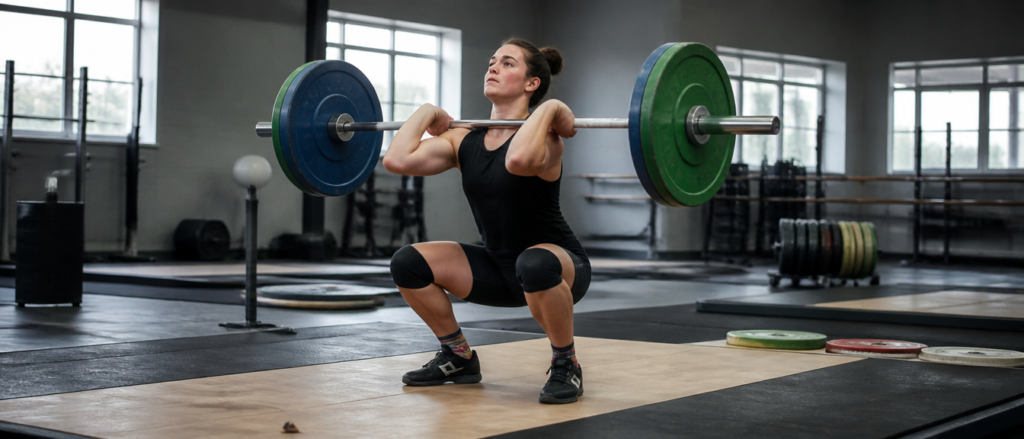
Xoay ống tay là cơ chế giúp ống tay chịu tải xoay độc lập với trục khi thanh tạ đang chuyển động. Sự xoay này không phải là tính năng mang lại sự thoải mái — mà là cơ chế an toàn cho các động tác cử tạ Olympic. Trong các động tác clean hoặc snatch, quỹ đạo tự nhiên của thanh tạ đòi hỏi ống tay phải xoay tự do khi vận động viên chuyển từ giai đoạn kéo sang giai đoạn nhận tạ. Nếu không có khả năng xoay ống tay đủ, mô-men xoắn sẽ truyền qua cổ tay, gây ra nguy cơ chấn thương do xoay, nguy cơ này sẽ tích tụ theo thời gian khi tập luyện với khối lượng lớn.
Vòng bi kim mang lại khả năng xoay ống trượt nhanh nhất và mượt mà nhất. Chúng giúp giảm thiểu ma sát giữa trục và ống trượt nhờ một bộ con lăn hình trụ được bố trí theo hướng xuyên tâm. Các thanh ổ trục quay nhanh và ổn định — phù hợp với bất kỳ thanh tạ nào được sử dụng trong các động tác cử tạ Olympic. Chúng thường có giá cao hơn và đòi hỏi việc bảo dưỡng cẩn thận hơn so với các loại ổ trục dạng ống lót.
Ống lót bằng đồng hoặc đồng thau cung cấp độ xoay có kiểm soát và vừa phải. Ống trượt quay tương đối với một ống trụ được lót bằng đồng hoặc đồng thau, giúp tạo ra độ xoay phù hợp cho các động tác có tải trọng vừa phải lên ống trượt nhưng hạn chế khả năng xoay tốc độ cao của thanh tạ. Thanh có ống lót là loại phù hợp nhất cho các thanh tập powerlifting, nơi mà sự xoay có kiểm soát được ưu tiên — các ống xoay tự do có thể làm mất ổn định cổ tay trong các bài tập đẩy tạ nặng hoặc làm giảm khả năng kiểm soát trong các bài tập deadlift nặng.
Hệ thống lai Kết hợp ống lót và vòng bi kim — thường là từ hai đến bốn ống lót để đảm bảo độ ổn định khi chịu tải nặng, cùng với tám vòng bi kim trở lên để đảm bảo tốc độ quay. Đây chính là thông số kỹ thuật được áp dụng cho thanh tạ đa năng của Alex Athletics (2 ống lót bằng đồng thau + 8 vòng bi kim), giúp sản phẩm này thực sự phù hợp cho cả các bài tập Olympic lẫn powerlifting. Thanh tạ lai là lựa chọn tối ưu cho các phòng tập thương mại, nơi một thanh tạ duy nhất phải đáp ứng nhiều phong cách tập luyện khác nhau.
Thông số kỹ thuật 4: Gân — Loại, Mẫu và Gân tâm
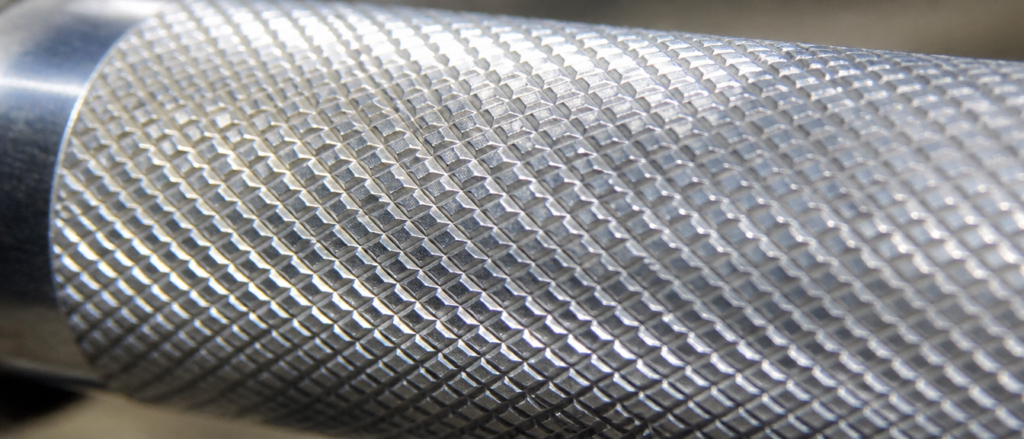
Gân là hoa văn chéo được gia công trên bề mặt trục nhằm tăng độ bám. Có ba yếu tố xác định đặc điểm gân của thanh: độ sâu gân, hình dạng hoa văn và việc có hay không có gân ở giữa.
Mức độ gồ ghề của bề mặt dao động từ mức nhẹ (nhẹ, kết cấu mịn, thoải mái cho các bài tập có số lần lặp lại cao) qua mức trung bình (tiêu chuẩn thương mại — độ bám đủ để thực hiện các động tác kéo nặng mà không làm rách da tay) đến mức mạnh (rãnh sâu, sắc nét, được các vận động viên cử tạ thi đấu ưa chuộng để đạt hiệu suất tối đa trong bài deadlift). Hoa văn gai mạnh không phù hợp cho việc tập luyện với khối lượng lớn dành cho người tập thông thường; nó gây ra sự hình thành vết chai và trầy xước da, khiến người tập cảm thấy khó chịu ngay cả khi tập luyện với khối lượng vừa phải.
Vị trí các vạch khía được tiêu chuẩn hóa bởi liên đoàn. IPF quy định các vạch vòng có khoảng cách 810 mm (cách nhau 81 cm), xác định chiều rộng cầm tạ hợp lệ cho nội dung đẩy tạ nằm. IWF quy định các vạch có khoảng cách 910 mm (cách nhau 91 cm) cho môn cử tạ. Hầu hết các thanh tạ đa năng thương mại đều có các vạch khía kép ở cả hai khoảng cách này, cho phép các vận động viên của cả hai bộ môn xác định vị trí tay hợp lệ trên cùng một thanh tạ.
Rãnh xoắn ở giữa là phần có rãnh ngắn ở giữa thân thanh tạ. Phần này rất quan trọng đối với bài tập squat lưng — bề mặt nhám giúp bám chặt vào vải áo hoặc áo thi đấu của vận động viên, ngăn không cho thanh tạ trượt xuống vùng cơ vai trong các lần thực hiện squat thanh thấp với tạ nặng. Các thanh tạ powerlifting luôn có phần gân ở giữa. Ngược lại, các thanh tạ cử tạ lại cố ý loại bỏ phần này, vì thanh tạ sẽ tiếp xúc với cổ họng trong động tác clean — phần gân ở giữa sẽ gây đau đớn. Các thanh tạ đa năng có sự khác biệt; thanh tạ đa năng Alex Athletics Multipurpose Weightlifting Barbell được thiết kế với phần giữa trơn nhẵn để ưu tiên sự thoải mái khi thực hiện động tác squat trước và clean.
Yêu cầu kỹ thuật số 5: Bề mặt thanh và khả năng chống ăn mòn
Lớp hoàn thiện trên thân thanh tạ thương mại quyết định khả năng chống chọi của nó trước hai tác nhân gây hao mòn chính trong môi trường phòng tập: độ ẩm (từ mồ hôi và độ ẩm trong không khí) và mài mòn cơ học (từ phấn tạ, đĩa tạ và các bề mặt tiếp xúc).
Crom cứng là lớp hoàn thiện thương mại bền bỉ nhất. Khác với lớp mạ crom trang trí (có dạng lớp mỏng, dễ vỡ, dễ bị bong tróc), lớp mạ crom cứng là loại mạ cấp công nghiệp được phủ với độ dày lớn hơn đáng kể. Lớp mạ này có khả năng chống ăn mòn, hệ số ma sát thấp giúp việc lắp tạ diễn ra trơn tru, và không gây phản ứng mạnh với phấn. Chrome cứng là tiêu chuẩn phù hợp cho mục đích sử dụng thương mại với khối lượng lớn. Cả hai mẫu thanh tạ Alex Athletics nêu trên đều sử dụng lớp mạ chrome cứng.
Kẽm (màu sáng hoặc màu đen) mang lại khả năng chống ăn mòn tốt với chi phí thấp hơn so với mạ crom. Lớp mạ kẽm sáng có bề mặt màu bạc sáng bóng; lớp mạ kẽm đen tạo ra bề mặt màu xám đậm đến đen. Cả hai loại đều phù hợp cho mục đích thương mại và đảm bảo hiệu suất ổn định trong điều kiện độ ẩm thông thường tại phòng tập thể dục.
Ôxít đen là một loại lớp hoàn thiện giá rẻ, chỉ mang lại khả năng chống ăn mòn ở mức tối thiểu. Loại lớp hoàn thiện này dễ bị rỉ sét bề mặt trong môi trường ẩm ướt và không phù hợp để làm lớp hoàn thiện chính cho thanh kim loại trong các thị trường có độ ẩm biến động mạnh.
Thép trần / thép thô không có khả năng chống ăn mòn nhưng mang lại cảm giác bám chắc tối đa — là lựa chọn ưa thích của những người theo chủ nghĩa thuần túy trong môn cử tạ sức mạnh. Loại thanh này cần được bảo dưỡng thường xuyên (chải sạch, bôi một lớp dầu mỏng) để ngăn ngừa rỉ sét bề mặt. Trong các môi trường thương mại nơi việc bảo dưỡng không được thực hiện đều đặn, các thanh thép trần sẽ nhanh chóng bị hư hỏng nếu không được chăm sóc đúng cách.
Thông số kỹ thuật 6: Khả năng chịu tải và chiều dài ống lót
Khả năng chịu tải — trọng lượng tối đa mà thanh tạ được thiết kế để chịu được — và chiều dài ống trục — diện tích bề mặt có thể sử dụng trên mỗi ống trục để lắp đĩa tạ — là hai thông số kỹ thuật có liên quan nhưng khác biệt. Một thanh tạ Olympic 20 kg với chiều dài ống trục tiêu chuẩn khoảng 420 mm thường có thể chịu được tải trọng đĩa tạ cần thiết cho mục đích sử dụng thương mại thông thường mà không đạt đến giới hạn chịu tải của ống trục. Ở mức độ sức mạnh đỉnh cao (tải trọng làm việc từ 300 kg trở lên), chiều dài ống trục trở thành một hạn chế thực tế, và việc sử dụng đĩa tạ được hiệu chuẩn (có độ dày mỏng hơn theo từng kg) trở nên cần thiết để phù hợp với tải trọng yêu cầu trên chiều dài ống trục có sẵn.
Cái Hiệp hội Y học Thể thao Hoa Kỳ (ACSM) Trong hướng dẫn tập luyện sức mạnh của mình, tổ chức này lưu ý rằng các cơ sở thương mại nên lựa chọn thiết bị có khả năng chịu được tải trọng tối đa dự kiến của người dùng — chứ không chỉ là tải trọng trung bình. Đối với một phòng tập thương mại thông thường, một thanh tạ có tải trọng định mức 1.500 lbs (khoảng 680 kg) sẽ đảm bảo biên độ an toàn đủ cho tất cả các tình huống tải trọng thực tế trong môi trường thương mại. Các cơ sở tập luyện chuyên nghiệp phục vụ các vận động viên thi đấu có thể cần các thanh tạ có mức tải định mức cao hơn ngưỡng này.
Bảng thông số kỹ thuật các loại tạ đòn
| Loại thanh | Đường kính trục | Độ bền kéo | Xoay | Gân | Rãnh xoắn ở giữa | Mục đích sử dụng chính |
|---|---|---|---|---|---|---|
| Cử tạ Olympic (nam) | 28 mm | Hơn 190.000 PSI | Vòng bi kim | Trung bình | Không | Snatch, clean & jerk, high-pull |
| Cử tạ Olympic (nữ) | 25 mm | Hơn 185.000 PSI | Vòng bi kim | Trung bình | Không | Tương tự; 15 kg, chiều dài ngắn hơn ở mức 2.010 mm |
| Cử tạ sức mạnh | 29 mm | Hơn 200.000 PSI | Ống lót bằng đồng | Tấn công mạnh mẽ | Đúng vậy | Squat, đẩy tạ nằm, deadlift |
| Đa năng / Hỗn hợp | 28,5 mm | Hơn 195.000 PSI | Kết hợp (ống lót + ổ trục) | Trung bình | Thụ động hoặc không có | Tất cả các bài tập tăng cường sức mạnh; sử dụng chung trong thương mại |
| Tạ đòn tiêu chuẩn (không phải loại Olympic) | 25–28 mm; ống tay áo 25 mm | 140.000–165.000 PSI | Ống lót cơ bản | Nhẹ đến trung bình | Tùy từng trường hợp | Khóa đào tạo cơ bản; không dành cho việc tập luyện cường độ cao |
Thanh tạ dành cho nam và nữ: Khi thông số kỹ thuật 15kg trở nên quan trọng
Thông số kỹ thuật của thanh tạ dành cho nữ — 15 kg, chiều dài 2010 mm, đường kính trục 25 mm — không chỉ đơn thuần là phiên bản nhẹ hơn của thanh tạ nam. Đường kính trục 25 mm là một lựa chọn thiết kế cụ thể của IWF: nó giúp các vận động viên có bàn tay nhỏ hơn dễ dàng thực hiện kỹ thuật cầm móc hơn, và cấu trúc hẹp hơn của thanh tạ này tạo ra độ uốn cong tương đối lớn hơn so với thanh tạ nam 28 mm trong cùng điều kiện tải trọng — phù hợp với mức tải trọng tuyệt đối thấp hơn được sử dụng trong các cuộc thi cử tạ nữ.
Đối với các cơ sở thương mại phục vụ đối tượng đa dạng, việc trang bị cả tạ đòn 20 kg và 15 kg là phương án vận hành hợp lý. Thanh tạ nhẹ hơn không chỉ dành riêng cho phụ nữ — nó phù hợp với bất kỳ thành viên nào có bàn tay nhỏ hơn, mức độ sức mạnh thấp hơn hoặc đang học các động tác với tạ đòn. Một cơ sở chỉ trang bị các thanh tạ 20 kg dành cho nam tại các trạm tập tạ sẽ tạo ra rào cản cho một bộ phận đáng kể thành viên của mình. Khuyến nghị thực tế là nên duy trì tỷ lệ một thanh tạ 15 kg cho mỗi trạm tập tạ trong các khu vực tập luyện chung, đồng thời trang bị đầy đủ thanh tạ 20 kg tại các bục tập tạ chuyên dụng.
Danh sách các quán bar được đề xuất theo bối cảnh cơ sở
| Bối cảnh cơ sở | Thông số kỹ thuật thanh chính | Ghi chú |
|---|---|---|
| Phòng tập thể hình thương mại thông thường (dành cho mọi đối tượng) | 28,5 mm đa năng, hơn 190.000 PSI, xoay lai, rãnh gai trung bình | Một loại thanh tạ phù hợp với mọi phong cách tập luyện; bổ sung các thanh tạ 15kg cho khu vực dành cho nữ |
| Khu vực câu lạc bộ / bục thi đấu cử tạ Olympic | 28mm dành cho nam / 25mm dành cho nữ, hơn 190.000 PSI, ổ bi kim, vạch khía theo tiêu chuẩn IWF | Ưu tiên các thiết bị đạt tiêu chuẩn thi đấu; bắt buộc phải sử dụng đĩa tạ trên bục tập |
| Phòng tập powerlifting hoặc khu vực chuyên dụng dành cho rèn luyện sức mạnh | 29 mm, trên 200.000 PSI, ống lót bằng đồng, rãnh gai sâu, rãnh gai ở giữa | Thanh tạ tuân thủ tiêu chuẩn IPF; sử dụng kết hợp với các đĩa tạ đã được hiệu chuẩn cho các trạm tập luyện chuẩn bị thi đấu |
| Phòng tập CrossFit / thể dục chức năng | Đa năng 28,5 mm, xoay lai, hơn 195.000 PSI | Các bài tập giảm tạ với số lần lặp cao cần sử dụng đĩa tạ có viền; nên chọn đĩa tạ có vân trung bình cho chương trình tập luyện tăng khối lượng |
| Trung tâm thể dục thể thao / phục hồi chức năng dành cho người cao tuổi | Thanh tạ tiêu chuẩn (nhẹ hơn), ống trục 25 mm, hoặc thanh tạ Olympic 15 kg | Giảm tải trọng tuyệt đối; ưu tiên thiết kế tay cầm tiện dụng hơn là các thông số kỹ thuật về hiệu suất |
| Phòng tập thể dục tại khách sạn / ngành khách sạn | 28,5 mm, đa năng, mạ crôm, rãnh xoắn vừa | Dùng cho mục đích chung; lớp mạ crôm chống ẩm; bề mặt có vân gân vừa phải giúp giảm thiểu tổn thương cho tay đối với những người ít sử dụng |
Câu hỏi thường gặp
Một thanh tạ trong phòng tập thể hình thương mại cần có độ bền kéo là bao nhiêu?
Đối với mục đích thương mại thông thường, mức tối thiểu là 170.000 PSI — nếu thấp hơn mức này, thanh tạ dễ bị uốn cong vĩnh viễn trong điều kiện sử dụng thương mại hàng ngày. Tiêu chuẩn thương mại thực tế cho thanh tạ tập luyện là 190.000–200.000 PSI. Đối với các ứng dụng thi đấu và hiệu suất cao, mức yêu cầu là 200.000–220.000+ PSI. Độ bền kéo cần được xác minh thông qua tài liệu từ nhà sản xuất, chứ không chỉ dựa vào thông tin trên danh mục sản phẩm, vì chỉ số này rất khó xác minh nếu không có thử nghiệm độc lập.
Sự khác biệt giữa thanh tạ powerlifting và thanh tạ Olympic là gì?
Những điểm khác biệt chính bao gồm đường kính thanh tạ (29mm dành cho powerlifting so với 28mm dành cho cử tạ Olympic), hệ thống xoay (ống lót ổn định so với vòng bi kim nhanh), mức độ gồ ghề của bề mặt (mạnh so với trung bình) và sự hiện diện của vân gồ ghề ở giữa (thanh tạ powerlifting có; thanh tạ Olympic thì không). Những điểm khác biệt này phản ánh trực tiếp các yêu cầu chuyển động khác nhau của từng môn thể thao: powerlifting ưu tiên độ cứng và độ chắc chắn của tay cầm để đạt được sức nâng tĩnh tối đa, trong khi cử tạ Olympic ưu tiên khả năng xoay và độ uốn dẻo của thanh tạ để thực hiện các động tác bùng nổ và năng động.
Một phòng tập thể hình thương mại có nên trang bị cả tạ đòn 20kg và 15kg không?
Đúng vậy. Thanh tạ nữ 15kg (trục 25mm, chiều dài 2010mm) không phải là phiên bản có thông số kỹ thuật giảm bớt — đây chính là thanh tạ tiêu chuẩn IWF dành cho thi đấu nữ và phù hợp với bất kỳ người dùng nào có bàn tay nhỏ hơn, mức độ sức mạnh thấp hơn hoặc đang học các kỹ thuật tập tạ. Một phòng tập thương mại chỉ trang bị thanh tạ 20kg sẽ tạo ra rào cản thực tế đối với một tỷ lệ đáng kể thành viên của phòng tập. Tỷ lệ khuyến nghị là tối thiểu một thanh tạ 15kg cho mỗi trạm tập tạ trong các khu vực tập luyện chung.
Việc hoàn thiện thanh tạ ảnh hưởng như thế nào đến các yêu cầu bảo trì phòng tập thể hình thương mại?
Lớp hoàn thiện của thanh tập quyết định trực tiếp tần suất bảo trì. Lớp mạ crom cứng không yêu cầu bảo trì định kỳ ngoài việc làm sạch — nó có khả năng chống ẩm và chống bám cặn vôi với mức độ chăm sóc bề mặt tối thiểu. Lớp mạ kẽm cũng có yêu cầu bảo trì thấp tương tự. Lớp phủ oxit đen và thép trần cần được bôi dầu nhẹ định kỳ để ngăn ngừa rỉ sét, việc này có thể thực hiện được tại các cơ sở có nguồn lực dồi dào nhưng không thực tế trong hầu hết các môi trường phòng tập thương mại, nơi việc bảo trì thiết bị hàng ngày bị hạn chế. Đối với các cơ sở thương mại, lớp mạ crom cứng hoặc kẽm được ưu tiên hơn hẳn so với thép trần hoặc oxit đen.
Sự khác biệt giữa ống lót và vòng bi kim trong một thanh tạ thương mại là gì?
Ống lót là những ống hình trụ — thường làm bằng đồng đỏ hoặc đồng thau — được lắp vào vị trí tiếp xúc giữa trục và ống xoay, tạo ra ma sát vừa phải và giúp kiểm soát tốc độ quay. Chúng bền bỉ, ít cần bảo trì và mang lại sự quay ổn định phù hợp với các động tác cử tạ sức mạnh. Vòng bi kim là các con lăn hình trụ mỏng được sắp xếp theo hướng xuyên tâm, giúp giảm thiểu ma sát giữa trục và ống lót để tạo ra tốc độ quay nhanh và ổn định cần thiết trong các bài tập cử tạ Olympic. Hệ thống kết hợp cả hai loại vòng bi này cung cấp tốc độ quay phù hợp cho các động tác cử tạ Olympic và độ ổn định đủ cho các bài tập cử tạ sức mạnh — đây là thông số kỹ thuật phù hợp cho một thanh tạ đa năng thương mại phục vụ đại đa số người dùng.
Kết luận
Để lựa chọn thanh tạ phù hợp cho phòng tập thương mại, cần phải xem xét không chỉ trọng lượng và giá cả mà còn cả sáu thông số kỹ thuật thực sự quyết định hiệu suất và độ bền của thanh tạ: đường kính trục, độ bền kéo, hệ thống xoay, vân gai, lớp hoàn thiện và khả năng chịu tải. Một thanh tạ đa năng đường kính 28,5 mm làm từ thép có độ bền 195.000 PSI, hệ thống ổ trục kết hợp vòng bi và ống lót, bề mặt gai trung bình và lớp hoàn thiện mạ crom cứng có thể đáp ứng phần lớn các nhu cầu sử dụng tại phòng tập thương mại chỉ với một thông số kỹ thuật duy nhất. Việc bổ sung một thanh tạ powerlifting chuyên dụng đường kính 29 mm cho khu vực giá squat và các thanh tạ dành cho nữ 15 kg cho các trạm tập tạ thông thường sẽ hoàn thiện một khu vực tập tạ thương mại được trang bị đầy đủ ở bất kỳ quy mô nào.
Để tìm hiểu thêm về toàn bộ các sản phẩm của Alex Athletics dòng tạ đòn thương mại hoặc nhận đề xuất về tiêu chuẩn lắp đặt thanh tạ trên sàn cho cơ sở của quý vị, liên hệ với đội ngũ của chúng tôi.