Die Hantel ist das am häufigsten genutzte Trainingsgerät in jedem kommerziellen Fitnessstudio. Im Gegensatz zu Langhanteln, die an einer Station beladen und für eine Trainingsserie an Ort und Stelle belassen werden, werden Kurzhanteln aufgenommen, zum Trainingsbereich getragen, für verschiedene Übungen verwendet, auf den Boden abgelegt und wieder in das Gestell zurückgelegt – Dutzende Male pro Trainingseinheit, von Hunderten von Mitgliedern im Laufe einer Woche. Aufgrund dieser intensiven Nutzung ist das Oberflächenmaterial von Hanteln eine der betrieblich folgenreichsten Spezifikationsentscheidungen bei der Beschaffung für kommerzielle Fitnessstudios – und eine derjenigen, die am häufigsten zum Gegenstand von Budgetverhandlungen wird.
Gusseisen, Gummi und TPU-Polyurethan verhalten sich bei dieser Art der Nutzung jeweils unterschiedlich. Die Unterschiede zeigen sich nicht in der ersten Betriebswoche, sondern erst im achtzehnten Monat – im Geruch des Freihantelbereichs an einem feuchten Abend, in den Rissen auf der Oberfläche einer 20-kg-Gummikugel, in den Bodenbeschädigungen unter einem Satz verchromter Hanteln, die aus Hüfthöhe fallen gelassen wurden. Dieser Leitfaden untersucht alle drei Materialien anhand der Spezifikationen, die in gewerblichen Fitnessstudios von Bedeutung sind.
Die drei Materialkategorien für Hanteln
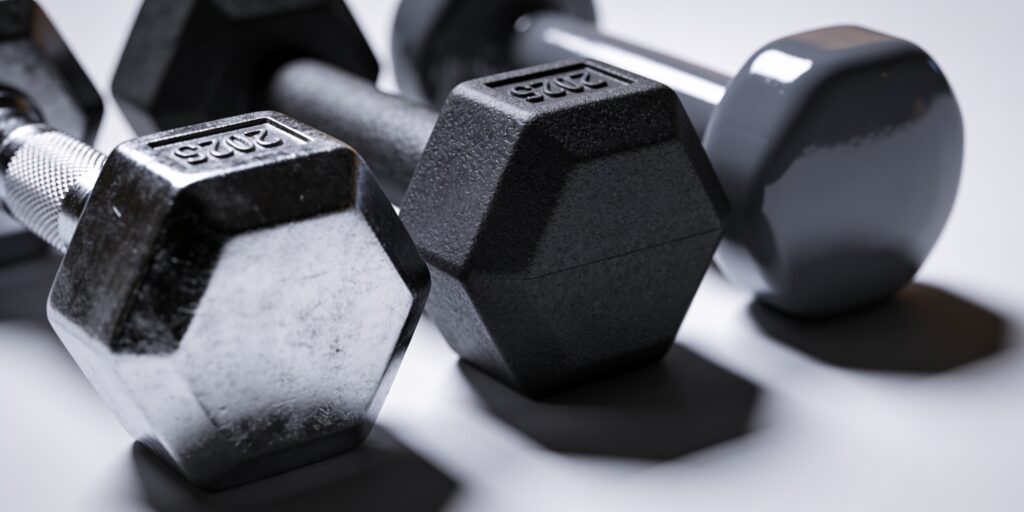
Hanteln aus Gusseisen / Chrom sind das ursprüngliche handelsübliche Hantelformat. Der Hantelkopf besteht aus massivem Gusseisen und ist entweder lackiert oder pulverbeschichtet oder mit Zier- oder Hartchrom beschichtet. Die Alex Athletics Chrom-Hantel Sie sind wie folgt aufgebaut: eine polierte Chromoberfläche auf einem massiven Gusseisenkopf mit einem gerändelten Chromgriff. Chrom-Hanteln sind die Option mit der höchsten Dichte und der kompaktesten Bauweise pro Kilogramm Gewicht – ein entscheidender Vorteil hinsichtlich der effizienten Lagerung und des Aufsteckens der Hantelscheiben –, bieten jedoch keine Dämpfung zwischen dem Eisen und der jeweiligen Auflagefläche.
Gummibeschichtete Hanteln Eine vulkanisierte Gummibeschichtung wird auf einen Gusseisenkern aufgebracht. Die Gummischicht sorgt für Stoßdämpfung beim Ablegen der Hantel, schützt den Boden, dämpft Geräusche und bietet einen etwas weicheren Griff für Mitglieder, die mit hohem Handkontakt trainieren. Die Gummibeschichtung ist weltweit das vorherrschende kommerzielle Format, da sie ein ausgewogenes Verhältnis zwischen Kosten und funktionaler Eignung für die allgemeine Fitnessstudio-Nutzerschaft bietet. Die meisten kommerziellen Gummiserien werden als Sechskant-Hanteln angeboten; wenn Sie dieses Format spezifizieren möchten, siehe So wählt man Sechskant-Hanteln für ein kommerzielles Fitnessstudio aus.
Hanteln aus TPU/Polyurethan Verwenden Sie eine Ummantelung aus thermoplastischem Polyurethan auf einem Gusseisenkern mit einem Griff aus Hartchrom. Alex Athletics’ TPU feste Hantel (W03AA007) steht für diese Kategorie: chemisch gebundene TPU-Köpfe, erhältlich von 2,5 kg bis 60 kg, mit Hartchromgriffen über den gesamten Bereich. TPU übertrifft Gummi in Bezug auf Abriebfestigkeit, UV-Beständigkeit, Geruchsneutralität und langfristige Farbbeständigkeit, wobei die höheren Stückkosten durch die längere Lebensdauer wieder hereingeholt werden können.
Hanteln aus Gusseisen und Chrom: Leistung und Einschränkungen
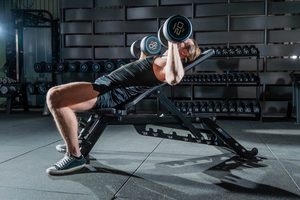
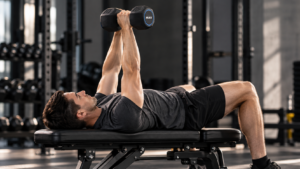
Verchromte Hanteln bieten im gewerblichen Einsatz zwei echte Leistungsvorteile: Kompaktheit und optische Übersichtlichkeit. Da keine Ummantelung vorhanden ist, ist das Kopfprofil für das jeweilige Gewicht so klein wie möglich – eine 20-kg-Hantel aus verchromtem Metall ist bei gleicher Dichte deutlich kleiner als eine 20-kg-Gummihantel. Bei Übungen, bei denen der Hantelkopf den Körper berührt oder sich ihm nähert – wie zum Beispiel Schrägbankdrücken, seitliches Anheben oder Goblet-Kniebeugen –, verbessert dieses reduzierte Profil den Bewegungsumfang und die Bewegungsmechanik. Die polierte Chromoberfläche sorgt zudem für optische Klarheit: Die Gewichtsangaben bleiben während der gesamten Lebensdauer des Produkts deutlich lesbar.
Die einsatztechnischen Einschränkungen konzentrieren sich auf zwei Bereiche. Erstens: Lärm und Bodenbelastung: Gusseisen auf Gummiböden erzeugt ein scharfes, metallisches Aufprallgeräusch, wenn die Hantel hart abgesetzt wird. In mehrstöckigen Einrichtungen, Fitnessstudios im Keller oder Räumen mit akustischen Einschränkungen stellt der kumulierte Lärm, der durch verchromte Hanteln auf dem Boden während der Stoßzeiten entsteht, ein praktisches Problem dar. Zweitens die Oberflächenbeständigkeit bei langfristiger gewerblicher Nutzung: Die dekorative Verchromung – Standard bei den meisten gewerblichen verchromten Hanteln – ist eine dünne, kosmetische Schicht, die bei anhaltender Feuchtigkeitseinwirkung abblättert, abplatzt und an den beschädigten Stellen Rost bildet. Hartchrom (die in den Spezifikationen von Alex Athletics verwendete industrielle Beschichtung) ist wesentlich langlebiger, ist jedoch mit einem entsprechenden Preisaufschlag verbunden.
Gummibeschichtete Hanteln: Das Arbeitstier im gewerblichen Einsatz und seine Ausfallarten
Gummibeschichtete Hanteln haben sich im kommerziellen Bereich als Standard durchgesetzt, da sie die drängendsten Probleme der verchromten Variante lösen: Sie dämpfen Stöße auf den Boden, reduzieren Geräusche, schützen die Bodenoberfläche und bieten Mitgliedern mit unterschiedlicher Technik ein angenehmes Griffgefühl. Für den Großteil der Nutzer in kommerziellen Fitnessstudios, die mit allgemeinen Fitnessintensitäten trainieren, sind gummibeschichtete Hanteln funktional ausreichend und bieten das beste Preis-Leistungs-Verhältnis. In der kommerziellen Praxis werden die meisten gummibeschichteten Hanteln im Sechskant-Format hergestellt, wobei die Anti-Roll-Geometrie und die Verbindung zwischen Kopf und Griff ebenso wichtig sind wie die Beschichtung selbst – wir behandeln diese Auswahlkriterien ausführlich in unserem Ratgeber zum Kauf von Sechskant-Hanteln.
Die Versagensarten von Gummi-Hanteln in gewerblichen Umgebungen sind gut dokumentiert und vorhersehbar. Vulkanisierter Gummi enthält Schwefelverbindungen aus dem Herstellungsprozess, die unter warmen und feuchten Bedingungen ausgasen – wodurch der charakteristische Geruch in stark frequentierten Freihantelbereichen entsteht. In geschlossenen Boutique-Studios, Hotel-Fitnessstudios und allen Räumen mit begrenztem Luftaustausch sammelt sich dieser Geruch zu einem anhaltenden Problem für die Mitglieder an, das durch Lüftungssysteme nicht vollständig behoben werden kann. Die Verband für Gesundheit und Fitness (IHRSA) identifiziert die von den Mitgliedern wahrgenommene Sauberkeit der Einrichtung und die Qualität des Umfelds als Hauptfaktoren für die Mitgliederbindung – und der Geruch von Gummihanteln trägt direkt und messbar zu einer negativen Bewertung des Umfelds bei.
Die Abnutzung der Oberfläche verläuft nach einem vorhersehbaren Muster. In den ersten zwölf Monaten bei täglichem kommerziellem Einsatz zeigen gummibeschichtete Hanteln eine gleichbleibende Leistung. Im zweiten bis dritten Jahr führt die Kombination aus UV-Strahlung, Kontakt mit Schweißsäure, Einwirkung von Reinigungsmitteln und wiederholtem Herunterfallen zu Mikrorissen an der Oberfläche, die sich zunehmend vertiefen. Im vierten bis fünften Jahr weist der Gummi sichtbare Risse auf, verliert Oberflächenmaterial und beginnt – in Fällen, in denen der Gummi nicht fest mit dem Kern verbunden ist – sich abzulösen. In diesem Stadium muss die Hantel ersetzt und nicht mehr repariert werden.
TPU-Polyurethan-Hanteln: Die Premium-Ausführung
Thermoplastisches Polyurethan behebt die beiden Hauptmängel von Gummi – Geruchsbildung und Oberflächenverschleiß – durch eine grundlegend andere Materialchemie. Laut Covestro, einem der weltweit führenden TPU-Hersteller, vereint TPU gummiartige Elastizität mit höherer Abriebfestigkeit, vollständiger Recyclingfähigkeit und dem Verzicht auf die Vulkanisationschemie, die für den Geruch von Gummi verantwortlich ist. Im Zusammenhang mit handelsüblichen Hanteln bedeutet dies ein Oberflächenmaterial, das während seiner gesamten Lebensdauer geruchsneutral bleibt, auch bei UV- und Chemikalieneinwirkung keine Oberflächenrisse bildet und seine Farbbrillanz beibehält, ohne dass es zu dem bei Gummi nach längerem gewerblichen Einsatz auftretenden Verblassen kommt.
Die American College of Sports Medicine (ACSM) Weist in seinen Anlagenrichtlinien darauf hin, dass die Qualität der Ausrüstung und die Wartungsstandards einen direkten Einfluss auf die Sicherheit der Mitglieder haben. Beschädigte Gummioberflächen – Risse, Ablösung oder Materialabrieb – stellen bei Geräten mit hohem Kontaktrisiko sowohl ein Hygiene- als auch ein Handhabungsrisiko dar. Die Beständigkeit von TPU gegen Oberflächenverschleiß steht in direktem Zusammenhang mit der Forderung des ACSM, die Geräte während ihrer gesamten Lebensdauer in einem sicheren Betriebszustand zu halten.
Die Alex Athletics TPU Fixed Dumbbell überträgt die Vorteile des TPU auch auf die Ausführung des Griffs: Hartverchromung, also die im industriellen Bereich übliche Beschichtung, statt dekorativer Verchromung. Dies ist in der Praxis von Bedeutung, da der Griff die am stärksten beanspruchte Oberfläche der Hantel ist – er wird mit unterschiedlichem Griffdruck umklammert, ist bei jedem Gebrauch Magneesium und Schweiß ausgesetzt und muss in einer Umgebung, in der die Luftfeuchtigkeit konstant über dem Durchschnitt liegt, korrosionsbeständig sein. Ein Hartverchromungsgriff an einem TPU-Kopf ergibt eine Hantel, deren beiden am stärksten beanspruchten Oberflächen beide auf langfristige gewerbliche Haltbarkeit ausgelegt sind.
Materialvergleichsmatrix
| Eigenschaft | Chrom / Gusseisen | gummibeschichtet | TPU-Polyurethan |
|---|---|---|---|
| Geruchsprofil | Minimal – metallisch, kein chemischer Geruch | Schwefelgeruch – verstärkt sich bei Hitze und Feuchtigkeit | Geruchlos – chemisch inert, keine Ausgasung |
| Aufprall auf den Boden / die Oberfläche | Hoch – Kontakt zwischen Eisen und Boden; keine Dämpfung | Gut – Gummi dämpft Stöße; Schutz für den Boden | Gut – Die Elastizität von TPU dämpft Stöße |
| Geräuschpegel | Am stärksten – heftiger Aufprall von Metall auf den Boden | Mäßig – Gummi dämpft, beseitigt das Problem jedoch nicht | Niedrig – ähnliche Dämpfung wie bei Gummi |
| Kopfprofil / Kompaktheit | Am kompaktesten – ohne Umspritzung | Am sperrigsten – Gummi vergrößert den Durchmesser erheblich | Kompakt – Die TPU-Dichte ermöglicht kleinere Köpfe |
| Oberflächenrisse/Oberflächenverschleiß | Mögliche Chromabsplitterungen; Rost an den Absplitterungsstellen | Rissbildung und Ablösung nach 3–5 Jahren | Sehr gering – hohe Abriebfestigkeit |
| Farbbrillanz im Laufe der Zeit | k. A. – in der Regel einfarbig verchromt | Die Farbe verblasst innerhalb von 2–4 Jahren durch UV-Strahlung und Schweiß | Erhält die Leuchtkraft – UV- und chemikalienbeständig |
| Griffgefühl (Griff) | Hartverchromte Rändelung – präzise, professionell | Je nach Griffausführung unterschiedlich; in der Regel verchromt oder lackiert | Hartverchromung – in Industriequalität, korrosionsbeständig |
| Gewichtsbereich | In der Regel 1–50 kg | 1–60 kg, je nach Modellreihe | 2,5–60 kg (Alex Athletics-Sortiment) |
| Stückkosten | Niedrig bis mittel | Mittel – etablierte Preisklasse im gewerblichen Bereich | Höchste Qualität – erstklassige Materialien und Verarbeitung |
| Geschätzte Lebensdauer (schwerer gewerblicher Einsatz) | 8–15 Jahre (Hartverchromung); 3–6 Jahre (dekorativ) | 3–7 Jahre vor dem Auftreten sichtbarer Abnutzungserscheinungen | 10–20+ Jahre — minimale Oberflächenabnutzung |
Die Spezifikation des Griffs: Was bei den meisten Materialvergleichen übersehen wird
Die meisten Diskussionen über das Material von Hanteln konzentrieren sich ausschließlich auf die Beschichtung der Köpfe und lassen den Griff außer Acht – jene Oberfläche, mit der jeder Nutzer bei jedem Satz und jeden Tag in Kontakt kommt. In der Praxis ist die Beschaffenheit des Griffs für den Einsatz ebenso wichtig wie das Material der Köpfe, und beide Aspekte sollten gemeinsam bewertet werden.
Ein TPU-Kopf mit einem lackierten oder verzinkten Griff stellt eine Spezifikationsinkongruenz dar: Der Kopf überdauert die Korrosionsbeständigkeit des Griffs um Jahre, sodass die Hantel früher komplett ausgetauscht werden muss, als es die Lebensdauer der Kopfoberfläche sonst erfordern würde. Umgekehrt verlängert ein Hartverchromungsgriff an einem gummibeschichteten Kopf die Lebensdauer des Griffs weit über den Zeitpunkt hinaus, an dem der Gummi seine Haltbarkeit verliert – ab diesem Zeitpunkt muss die Hantel unabhängig vom Zustand des Griffs ausgetauscht werden.
Die wirtschaftlich sinnvollste Spezifikation stimmt die Oberflächenbeschaffenheit des Griffs direkt auf die erwartete Lebensdauer des Kopfmaterials ab. Die TPU-Hantel mit festem Griff von Alex Athletics ist auf beiden Oberflächen hartverchromt – eine Kombination in Industriequalität, die auf eine gleichmäßige Lebensdauer über die gesamte Struktur der Hantel ausgelegt ist. Diese stimmige Spezifikation ist eines der Unterscheidungsmerkmale zwischen Hanteln, die auf gewerbliche Langlebigkeit ausgelegt sind, und solchen, bei denen der Fokus in erster Linie auf einem wettbewerbsfähigen Stückpreis liegt.

Materialauswahl nach Standortkontext
| Art der Einrichtung | Empfohlenes Material für Hanteln | Hauptgrund |
|---|---|---|
| Hochwertiges kommerzielles Fitnessstudio / Flagship-Club | TPU-Polyurethan | Geruchsneutral; lange Lebensdauer der Oberfläche; Zeichen für ein erstklassiges Mitgliedererlebnis |
| Boutique-Studio / abgeschlossener Raum für Personal Training | TPU-Polyurethan | Eine unzureichende Belüftung verstärkt den Gummigeruch; die Qualität im Kundenkontakt ist entscheidend |
| Fitnessstudio für Hotels und das Gastgewerbe | TPU oder hochwertiger Gummi | Rücksichtnahme auf die Gäste; geringer Pflegeaufwand; geschlossene Umgebung |
| Gewerbefitnessstudio der mittleren Preisklasse | Gewerbe, gummibeschichtet | Ausreichende Lebensdauer; bewährtes Preis-Leistungs-Verhältnis; Austausch in Zyklen von 5–7 Jahren |
| Powerlifting / Kraftsport-Fokus im Fitnessstudio | Chrom / Gusseisen (Hartchrom) | Kompaktes Profil für die Pressbearbeitung; übersichtliche Gewichtsangaben; akzeptable Geräuschkulisse |
| Senioren- bzw. Reha-Einrichtung | TPU oder hochwertiger Gummi (helle Farbpalette) | Geruchsneutral; Bodenschutz; Farbcodierung zur Gewichtsidentifizierung |
| Preisgünstiges Fitnessstudio für gewerbliche Zwecke | Gummibeschichtet (Standardausführung) | Geringste Anfangsinvestition; bei intensiver Nutzung sollte innerhalb von 5 Jahren ein Austausch eingeplant werden |
Häufig gestellte Fragen
Worin besteht der praktische Unterschied zwischen Hanteln aus Gummi und solchen aus TPU im täglichen gewerblichen Einsatz?
Der Unterschied, der am ehesten auffällt, ist der Geruch – Hanteln aus Gummi verströmen einen charakteristischen Schwefelgeruch, der sich bei Hitze und Feuchtigkeit verstärkt, während TPU-Hanteln völlig geruchlos sind. Der zweite Unterschied zeigt sich erst mit der Zeit: Bei intensiver gewerblicher Nutzung beginnen Gummioberflächen innerhalb von drei bis fünf Jahren zu reißen und optische Mängel zu weisen, während TPU die Oberflächenbeschaffenheit deutlich länger beibehält. Für die meisten Mitglieder ist der erste Unterschied bereits am ersten Tag wahrnehmbar; der zweite wird im zweiten oder dritten Betriebsjahr deutlich.
Sind Chrom-Hanteln für ein allgemeines kommerzielles Fitnessstudio geeignet?
Chrom-Hanteln eignen sich für gewerbliche Fitnessstudios, in denen ihre kompakte Bauweise und optische Klarheit aus betrieblicher Sicht geschätzt werden – insbesondere in auf Krafttraining ausgerichteten Einrichtungen, in denen ein kleinerer Kopfdurchmesser bei schweren Druckübungen von Vorteil ist. Die Hauptnachteile sind die Geräuschentwicklung (der Kontakt von Chrom mit dem Boden ist lauter als bei Alternativen aus Gummi oder TPU) und die Haltbarkeit der Chromoberfläche: Hartchrom ist zwar für den gewerblichen Einsatz geeignet, doch bei der intensiven gewerblichen Nutzung kommt es innerhalb von zwei bis vier Jahren an beschädigten Stellen zu Abplatzungen der dekorativen Chromschicht und zu Korrosion.
Warum sind Hanteln aus Polyurethan teurer, und ist dieser Aufpreis wirtschaftlich gerechtfertigt?
Hanteln aus TPU-Polyurethan sind in der Anschaffung teurer, da das Material und der Herstellungsprozess kostspieliger sind als die Vulkanisierung von Gummi. Die wirtschaftliche Rechtfertigung ergibt sich aus der Lebensdauer: Bei intensiver gewerblicher Nutzung halten TPU-Oberflächen schätzungsweise 10–20+ Jahre, während Gummi nur drei bis sieben Jahre hält. Über einen Zehnjahreszeitraum betrachtet ist die Anzahl der erforderlichen Hantelsatz-Ersatzanschaffungen – sowie der damit verbundene Kapitalaufwand und die betrieblichen Beeinträchtigungen – bei TPU deutlich geringer. Für Einrichtungen mit einem langen Investitionshorizont und einer Ausrichtung auf ein Premium-Mitgliedererlebnis amortisiert sich der TPU-Aufpreis in der Regel bereits im dritten oder vierten Betriebsjahr.
Können Hanteln aus Gummi und TPU im selben Hantelständer eines kommerziellen Fitnessstudios gemischt werden?
Ja – die Mischung verschiedener Materialien ist in kommerziellen Einrichtungen mit mehrstufiger Anschaffung oder schrittweisen Modernisierungsprogrammen üblich. Der praktische Aspekt dabei ist, dass die beiden Materialarten unterschiedlich altern: Gummi-Hanteln im selben Set weisen sichtbar früher eine Verschleißbildung an der Oberfläche auf als TPU-Hanteln gleichen Alters, was im Laufe der Zeit zu einer optischen Uneinheitlichkeit im Hantelständer führt. Für Einrichtungen, in denen ästhetische Einheitlichkeit für das Erlebnis der Mitglieder wichtig ist, ist eine einheitliche Materialspezifikation für das gesamte Hantelsortiment – oder ein gezielter, stufenweiser Austauschplan – einer unbefristeten Mischung verschiedener Materialien vorzuziehen.
In welchem Gewichtsbereich sind TPU-Hanteln für den gewerblichen Einsatz erhältlich?
Die TPU-Hantelserie von Alex Athletics reicht von 2,5 kg bis 60 kg in handelsüblichen Gewichtsstufen. Die Obergrenze von 60 kg ist von Bedeutung – die meisten Gummi-Hantelserien enden bei 50 kg, was fortgeschrittene Mitglieder in kommerziellen Fitnessstudios bei schweren Druck- und Ruderübungen einschränkt. Die einheitliche TPU-Spezifikation über den gesamten Gewichtsbereich hinweg gewährleistet, dass die leichtesten und schwersten Hanteln des Sets dieselbe Oberflächenqualität, dasselbe Geruchsprofil und dieselben Pflegeanforderungen aufweisen. Dadurch werden Materialunterschiede vermieden, die entstehen, wenn Fitnessstudios ihre schweren Gummihanteln durch ein anderes Produkt eines anderen Herstellers ergänzen.
Fazit
Das Oberflächenmaterial von Hanteln ist keine nebensächliche Spezifikation – es ist der entscheidende Faktor dafür, wie der Freihantelbereich riecht, wie lange die Geräte in einem professionellen Zustand bleiben, wie viel Lärm sie verursachen und wie sie den Mitgliedern, die sie pro Trainingseinheit dutzende Male in die Hand nehmen, die Qualität der Einrichtung vermitteln. Verchromte Hanteln eignen sich gut für bestimmte Krafttrainingskontexte. Gummibeschichtete Hanteln sind nach wie vor eine geeignete Wahl für kostenbewusste gewerbliche Anschaffungen, bei denen Ersatzzyklen von fünf bis sieben Jahren vorgesehen sind. TPU-Polyurethan ist die wirtschaftlich gerechtfertigte Premium-Variante für Einrichtungen, in denen das Erlebnis der Mitglieder, eine lange Lebensdauer und Geruchsneutralität operative Prioritäten sind.
Um das gesamte Sortiment von Alex Athletics zu sehen Sortiment an Hanteln für den gewerblichen Einsatz oder die Anforderungen an den Bodenbelag für Hantelbereiche in Ihrer Einrichtung besprechen, Kontaktieren Sie unser Team.